Fixing common hydroponic gardening problems can be a lifesaver for your plants! Start by keeping a close eye on nutrient levels—too weak and they’ll starve, too strong, and you’ve got root issues. Test that pH regularly; swings can make them sulky! Got algae? Keep lights low! With the right balance, your plants can flourish like a summer garden. So, if you want to know more on how to keep your indoor jungle thriving, stay tuned!
Nutrient Imbalance Issues
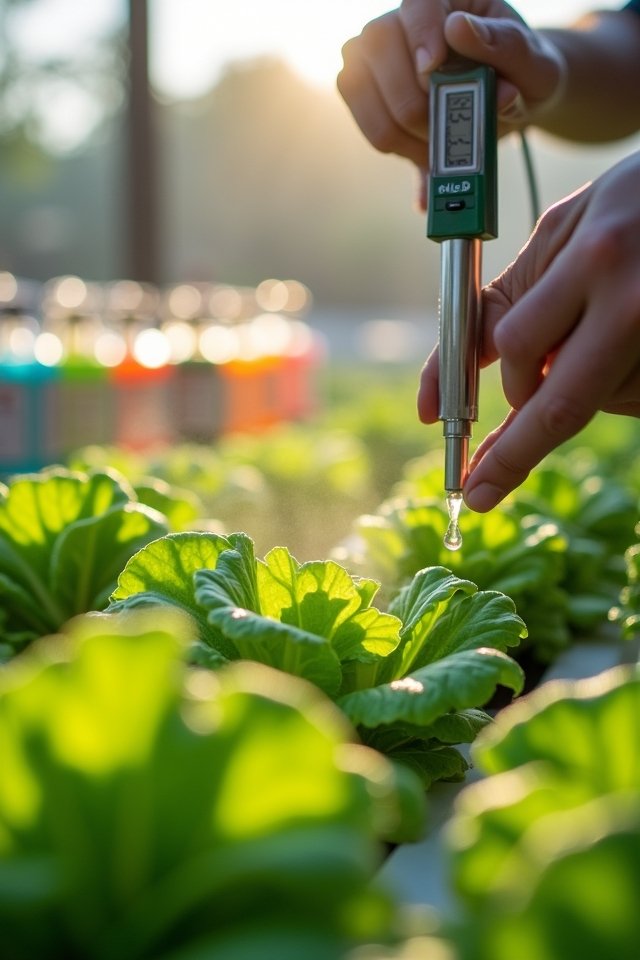
When you plunge into hydroponic gardening, you might not realize how easily nutrient imbalances can sneak up on you, like that pesky weed you thought you’d pulled out for good! Imagine your plants looking droopy and sad, begging for help. It often boils down to nutrient sources and solution concentration. If you mix your nutrient solution too weakly, your plants might starve, while too strong can burn those delicate roots. Think of it like making a smoothie—too much fruit, and it’s a sugar bomb! Regularly check your solution concentration, and adjust those nutrient sources as needed. Your plants will thrive with the right balance, and you’ll be rewarded with a lush, vibrant garden that’s the envy of all your friends!
Ph Level Fluctuations
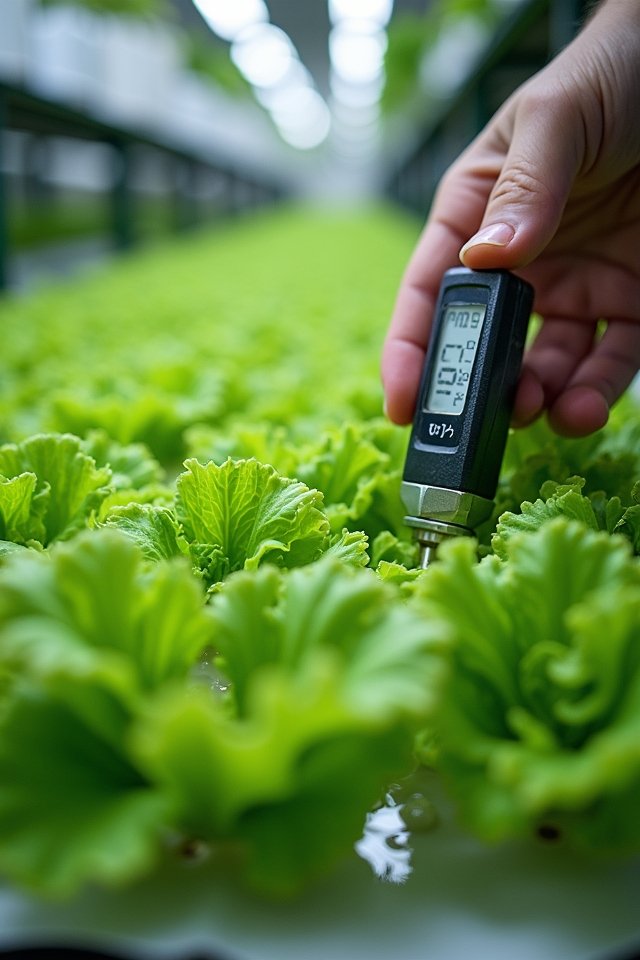
Maintaining the right pH level in your hydroponic garden is essential—think of it as the Goldilocks zone for your plants! If the pH swings too high or too low, your plants can suffer, like a fish out of water. Regular pH testing is your trusty sidekick here; it helps you catch fluctuations before they wreak havoc. If you find those pesky levels off, don’t panic! A little pH adjustment can work wonders. Use pH up or down solutions, just like adding a pinch of salt to your favorite dish. Remember, even plants have preferences! With consistent monitoring and quick adjustments, you’ll keep your green friends thriving in their ideal environment—like a cozy blanket on a chilly day!
Algae Growth Problems
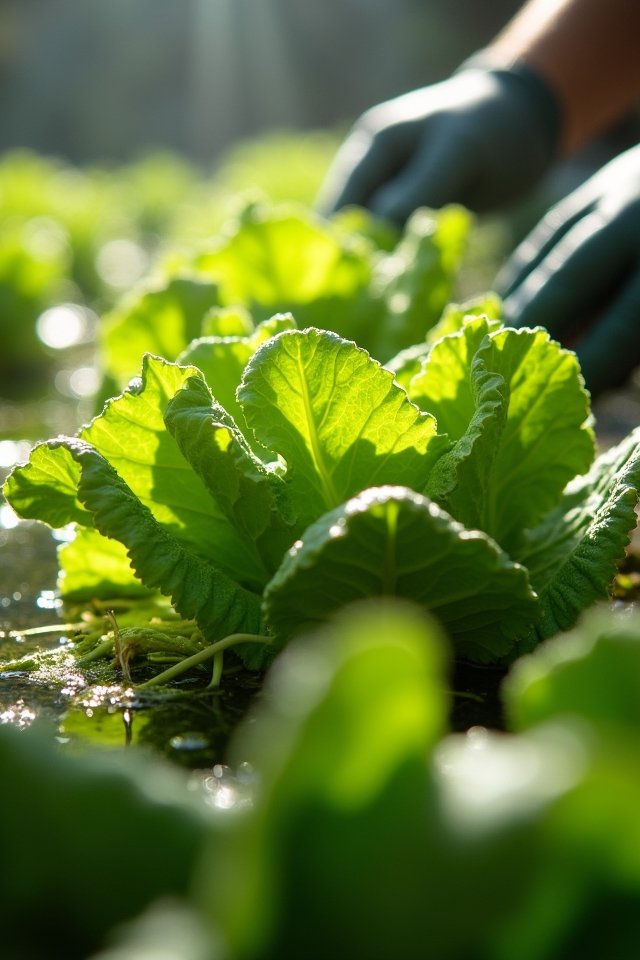
Algae can be a sneaky little troublemaker in your hydroponic garden! It creeps in, turning your nutrient solution into a green soup. But don’t worry, you can tackle this issue with some clever preventative measures and effective algae removal techniques. Here’s what you can do:
- Limit Light Exposure: Keep your nutrient solution covered to reduce light penetration.
- Monitor Nutrient Levels: Over-fertilization feeds algae, so keep it balanced.
- Use Hydrogen Peroxide: This powerful solution helps to eliminate algae without harming your plants.
- Regular Cleaning: Maintain a clean system by routinely washing your reservoir and tubes!
With these steps, you can outsmart algae and enjoy your lush hydroponic oasis! Keep fighting the good fight!
Root Rot and Disease Management
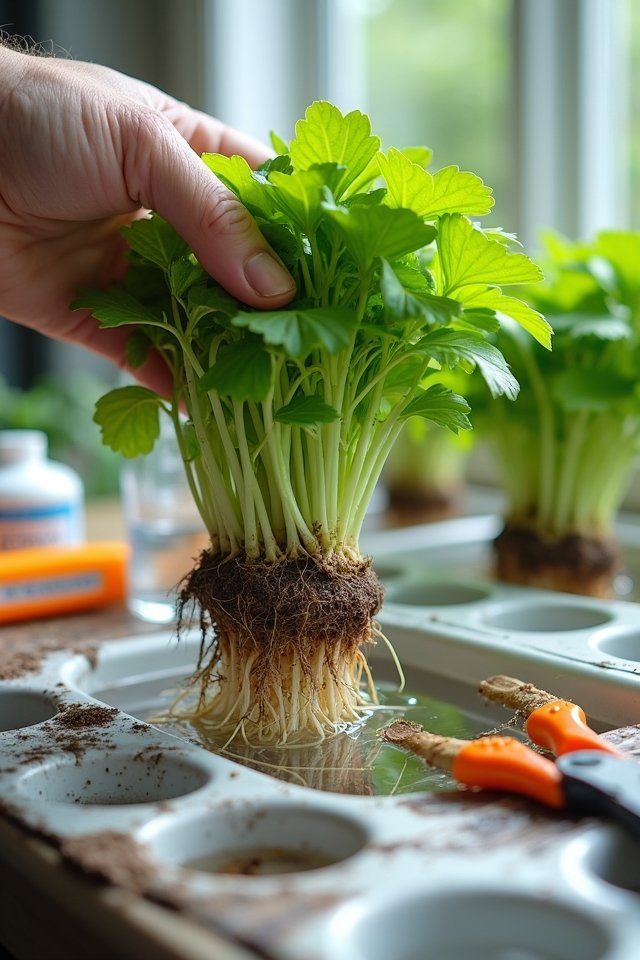
Root rot can sneak up on you like an unexpected guest at a party, and trust me, you don’t want it crashing your hydroponic garden! To keep root health thriving, regularly check your plants for any wilting or discoloration. These signs often scream, “Help me!” To prevent disease, guarantee your nutrient solution is balanced and your pH levels are spot on. Think of your roots as delicate dancers; they need just the right rhythm to flourish! You can also introduce beneficial microbes that act like bouncers, guarding against harmful pathogens. And don’t forget, good airflow is key—like opening the windows for a fresh breeze! Keep your garden vibrant and lively, and you’ll outsmart root rot every time!
Light Intensity and Duration Concerns

When it comes to your hydroponic garden, light intensity and duration play a starring role in your plants’ success! Think of light as the energy drink for your greens—it fuels their grow cycles! Too little or too much can throw them off balance. Here’s how to nail it:
- Light Spectrums: Use full-spectrum lights to mimic sunlight and promote healthy growth.
- Intensity: Aim for 400-600 μmol/m²/s for most plants—too dim and they’ll sulk!
- Duration: Most plants thrive on 12-16 hours of light daily—set a timer for consistency.
- Adjust: As plants grow, adjust the height of your lights to keep them happy!
Keep your plants glowing, and watch them flourish like never before! 🌱
Water Quality Challenges

While you might think water is just water, in hydroponic gardening, it’s like the lifeblood of your plants! But wait—have you checked your water quality lately? High water hardness can lead to nutrient lockout, leaving your plants feeling starved. And those pesky chlorine levels? They can be downright toxic! Imagine your plants gasping for air in a chemical bath. To keep your hydroponic garden thriving, consider using a water filter or letting tap water sit for 24 hours to dissipate chlorine. You want your plants to flourish, not just survive! So, grab your water testing kit and immerse yourself! With the right water, you’ll be on the path to a lush, vibrant oasis that’ll have your friends green with envy!
Pest Infestations and Control Strategies

Just as a knight battles dragons to protect their kingdom, you’ll need to fend off pesky pests that threaten your hydroponic garden! Pests can invade like unwelcome guests, but fear not—there are effective strategies to reclaim your domain.
- Embrace organic pest solutions: Use neem oil or insecticidal soap to keep your plants safe.
- Implement integrated pest management (IPM): Combine natural predators like ladybugs with physical barriers.
- Regularly inspect your plants: Catch those sneaky intruders early before they wreak havoc!
- Keep your garden clean: Remove debris and dead leaves to reduce hiding spots for pests.
With these innovative strategies, you’ll protect your garden kingdom and flourish with vibrant, healthy plants! Let the battle begin!
Frequently Asked Questions
How Can I Prevent My Hydroponic System From Freezing in Winter?
Worried about your hydroponic system freezing this winter? Don’t fret! You can use insulation techniques like bubble wrap or foam boards to keep the chill at bay. Pair that with heating options such as space heaters or heat mats, and your plants will thrive like cozy little sunbathers. Imagine them basking in warmth! Just think of it as giving your greens a vacation while you sip hot cocoa—pure bliss!
What Is the Best Way to Clean Hydroponic Equipment?
Cleaning your hydroponic equipment doesn’t have to be a chore! For effective cleaning techniques, start with a mixture of warm water and vinegar—it’s like a spa day for your tools! Scrub gently with a soft brush, allowing stubborn grime to melt away. Don’t forget to rinse thoroughly! Regular equipment maintenance keeps your system running smoothly and your plants thriving. Imagine your hydroponics thriving like a well-oiled machine—now that’s a sight to see!
Can I Use Tap Water for Hydroponics?
Can you believe it? Using tap water for hydroponics is like inviting a party crasher! Its quality varies wildly, and those sneaky minerals can throw off your nutrient balance. Some tap water’s got chlorine, which plants hate. Imagine your beautiful greens getting a sour surprise! If you’re using it, let it sit out for 24 hours to let the chemicals evaporate. So, test that water first—your plants will thank you for the effort!
How Do I Choose the Right Hydroponic System for My Space?
Choosing the right hydroponic system for your space is like picking the perfect outfit! First, consider system types—Nutrient Film Technique, Deep Water Culture, or Aeroponics. Each has unique benefits! Think about your available area; compact systems fit snugly in cozy corners, while larger setups thrive in spacious nooks. Don’t forget light! An ideal spot with ample sunlight or grow lights can make all the difference. Ready to transform your space into a green sanctuary? Let’s grow!
What Plants Grow Best in Hydroponic Systems?
They say, “You reap what you sow!” In hydroponics, the best crops include lettuce, basil, and strawberries! These plants thrive due to ideal plant growth factors like nutrient availability and light. Imagine plucking fresh basil for your pasta, or crisp lettuce for a vibrant salad! Just picture the satisfaction of growing your own food—it’s a game-changer. So, immerse yourself, experiment, and watch your garden flourish like a kaleidoscope of colors!