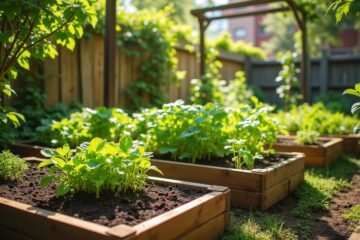
Rotating crops in your raised bed garden is like giving your soil a revitalizing drink! It keeps your plants thriving while outsmarting pesky pests. For example, after growing heavy feeders like tomatoes, follow up with legumes to replenish nutrients. This dynamic dance of diversity protects against diseases and enriches your harvest. Plus, it turns gardening into a fun game of strategy! Ready to uncover more secrets to a bountiful garden? You won’t want to miss what comes next!
Benefits of Crop Rotation in Small Spaces
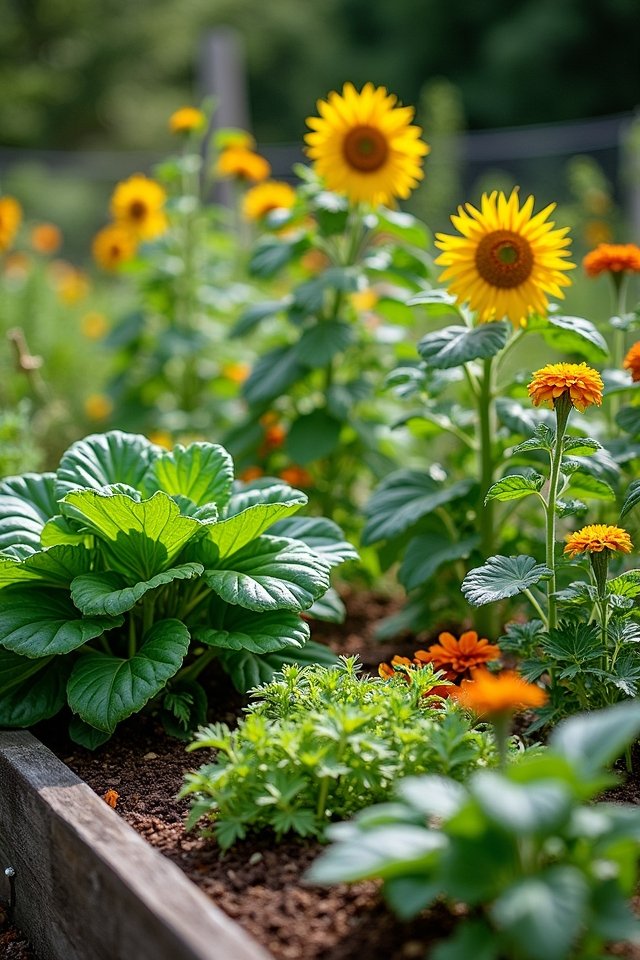
When you think about it, rotating your crops in a raised bed garden isn’t just smart—it’s downright magical! In the world of urban gardening and small spaces, you’re transforming your tiny patch of earth into a thriving haven. Imagine mixing peas with carrots one season, then swapping for luscious tomatoes the next! This kind of plant diversity boosts soil health, making your crops more resilient. Plus, intensive planting means you’re maximizing every inch of your raised bed, making garden efficiency a reality! It’s about sustainable practices—keeping your soil nutrient-rich while minimizing pests. Say goodbye to dull gardens and hello to vibrant veggies, smiling at you in colorful abundance! Who knew growing food could feel like a mini adventure?
Understanding Plant Families
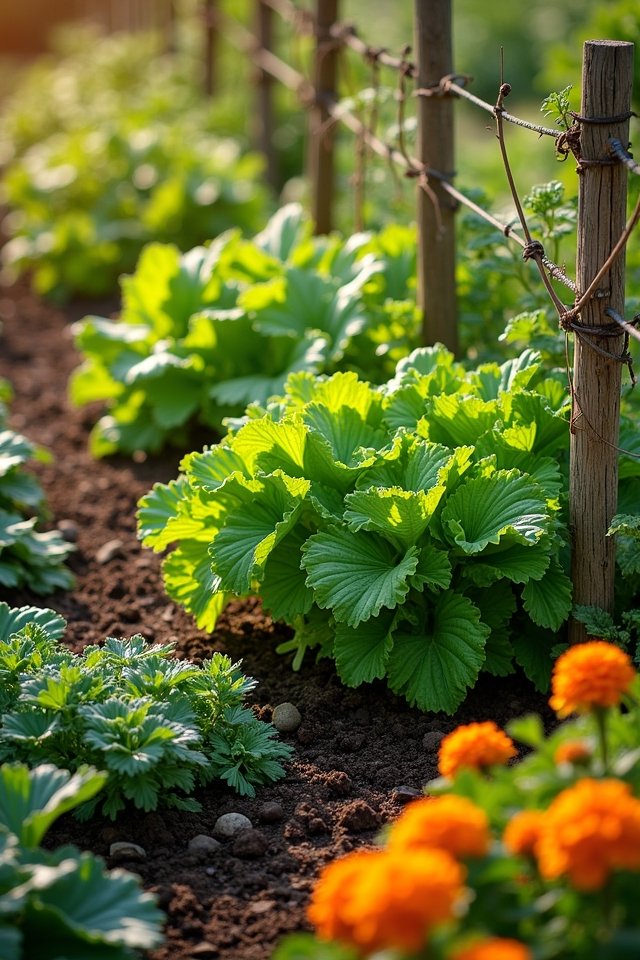
Crop rotation isn’t just about swapping out your plants season by season; it’s also about understanding the unique groups they belong to! Think of plant families as your garden’s quirky extended relatives. Some, like the tomatoes and potatoes in the nightshade clan, compete for similar nutrients, while others, like carrots and parsley, play nice together! By learning botanical classification, you can avoid planting cousins in the same spot, preventing pests and diseases from crashing your garden party. Ever had a pesky tomato blight? Yeah, not fun! So, keep your plant families in mind! Rotate wisely to maintain balance, like a well-orchestrated symphony. Your vibrant harvest will thank you, and you’ll enjoy gardening like never before! Happy growing!
Nutrient Management in Raised Beds
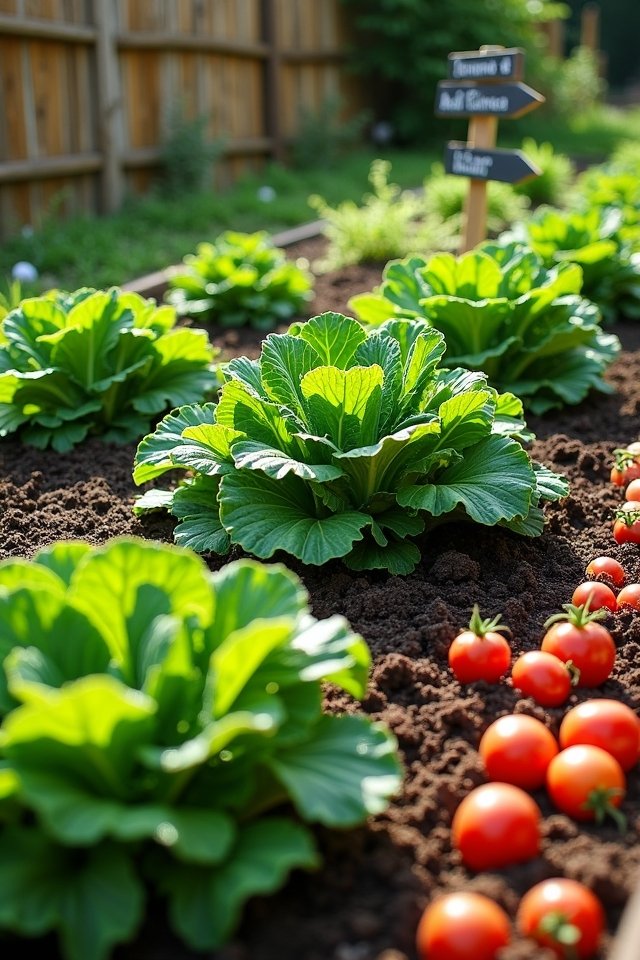
Healthy plants in raised beds rely on proper nutrient management, especially since they’re away from the natural soil food web! You don’t want your plants feeling starved or deprived—imagine you skipping meals at a buffet! To keep soil health thriving, consider rotating your crops to prevent nutrient depletion. For instance, after heavy feeders like tomatoes, try planting legumes! These amazing plants fix nitrogen back into the soil, replenishing what was lost. Add organic matter, like compost or well-rotted manure, to boost nearby microbial life—think of it as a four-star hotel for beneficial bugs! Check your nutrient levels regularly, and don’t be shy about adjusting your amendments. Your raised bed will thank you with vibrant colors and bountiful harvests!
Pest and Disease Control Through Rotation
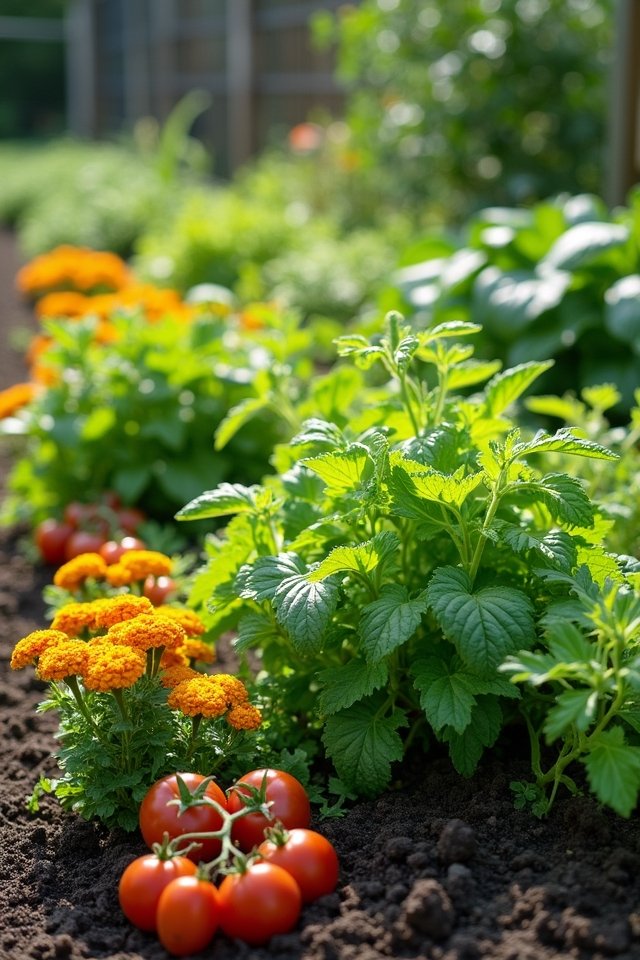
So, you’ve put in all that effort nurturing your beautiful raised bed garden, and now you want to keep those pesky bugs and diseases at bay—great thinking! Crop rotation is your secret weapon for pest resistance and disease prevention. By changing what you plant each season, you’re outsmarting those sneaky invaders. For example, if you grew tomatoes last year, switch to beans this year. Beans can break the life cycle of harmful pests that love tomatoes. Plus, rotating creates a diverse environment that encourages beneficial insects, like ladybugs, to visit! It’s like throwing a pest-resistant party in your garden! So go ahead, mix it up—your plants will thrive, and you’ll enjoy healthier crops all season long!
Planning Your Crop Rotation Schedule
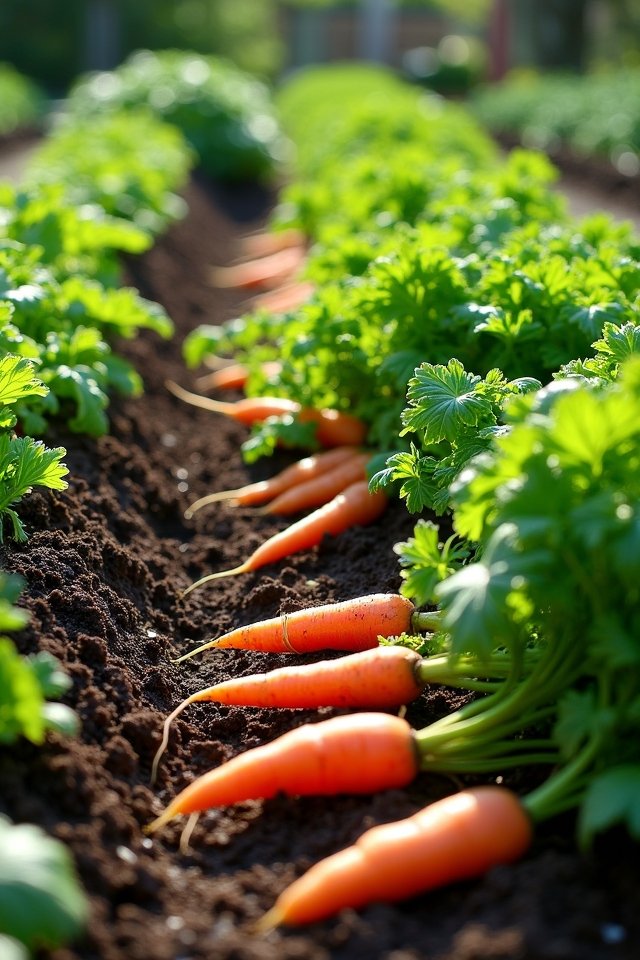
How do you keep your garden thriving year after year? Planning your crop rotation schedule is like crafting a symphony of flavors! Start by mapping out your crop selection based on nutrient needs, pest resistance, and growth patterns. For example, follow heavy feeders like tomatoes with nutrient-replenishers like legumes. Timing strategies matter too; stagger planting to avoid crowding. Imagine bright zinnias swaying next to juicy cucumbers, perfectly timed for that summer harvest! Don’t forget to pencil in what you’ll rotate each season—tractor logos can inspire joy and creativity! Remember, variety is the spice of life, so mix those crops up! With thoughtful scheduling, you’ll create a thriving sanctuary for both your plants and your taste buds! Happy gardening!
Companion Planting and Rotation
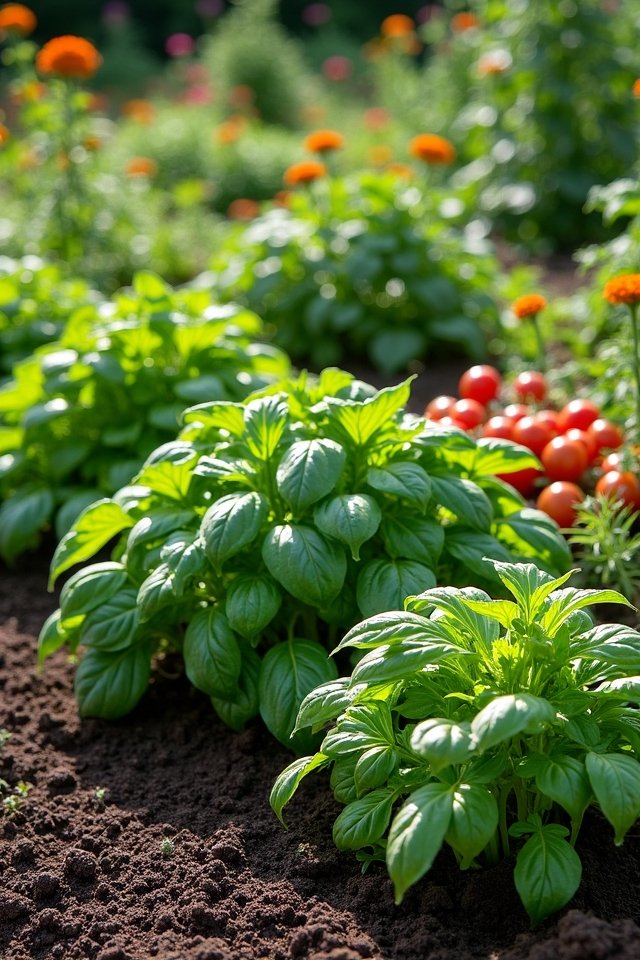
Once you’ve mapped out your crop rotation schedule, it’s time to think about companion planting! This technique isn’t just about planting flowers next to veggies—it’s a crafty way to create crop synergy. Imagine tomatoes and basil cozying up together; they boost each other’s growth while warding off pests! Now, that’s team spirit!
You can also pair carrots with onions. The pungent scent of the onions masks the carrots, keeping those pesky flies away! What a super stealth strategy!
Seasonal Considerations for Raised Beds
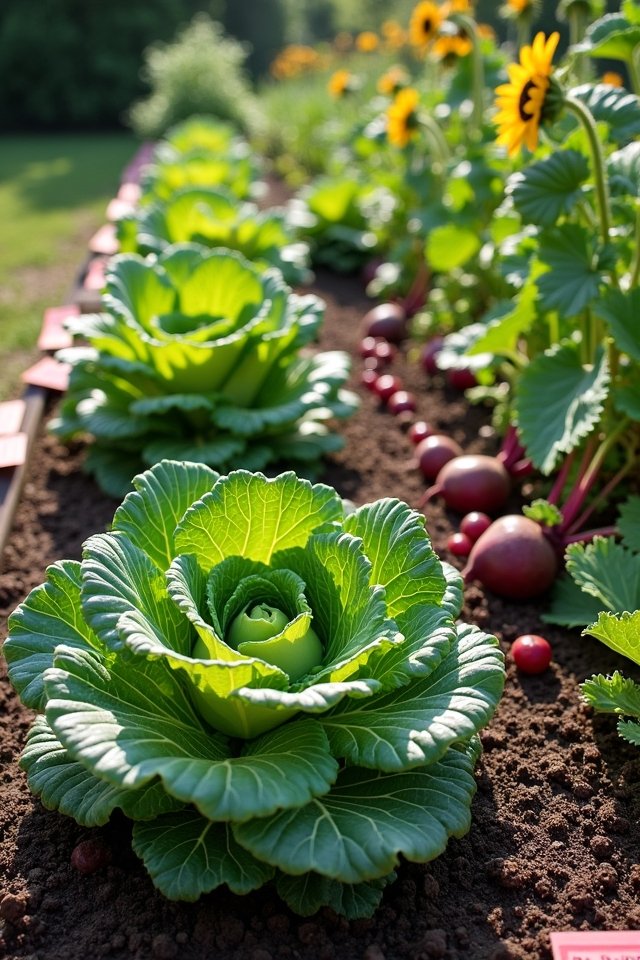
As you dig into the delightful world of raised bed gardening, don’t forget that seasonal changes can make or break your garden plans! Timing your seasonal planting is essential—when you adopt innovative strategies, you’ll reap the rewards. Think of temperature effects like a dance: some plants thrive in the cool warmth of spring, while others bask in summer’s heat. Imagine the crisp, sweet taste of a freshly harvested tomato or the earthy aroma of fall carrots! Don’t forget, your raised beds can extend the growing season. Use row covers to protect tender greens from chilly nights, and remember to rotate your crops with the seasons! By staying in tune with nature, you can create a vibrant, flourishing garden that keeps giving!
Tools for Successful Crop Rotation
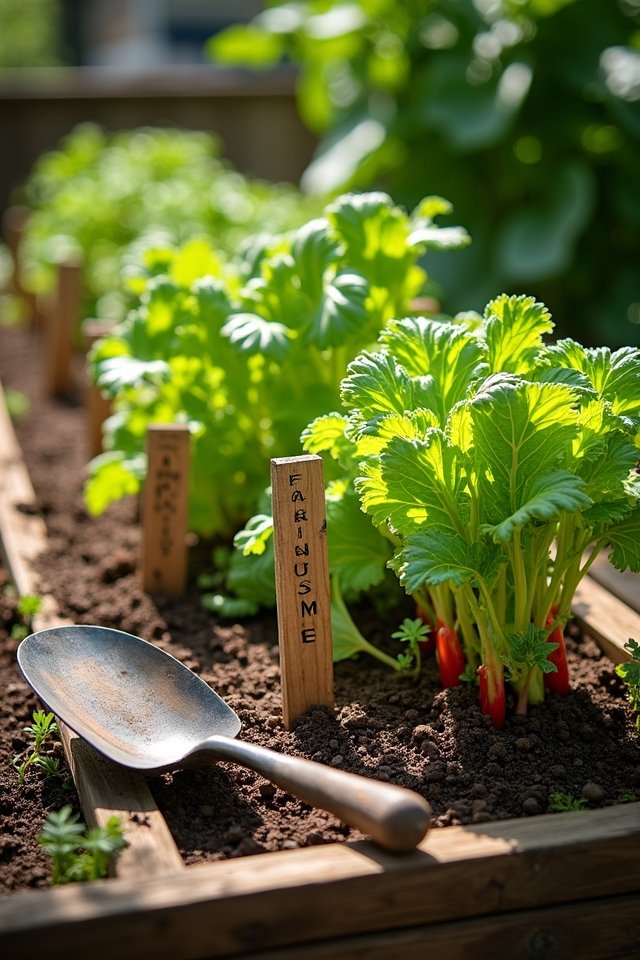
Ready to transform your garden into a thriving, vibrant ecosystem? With the right gardening tools, successful crop rotation becomes a breeze! Start with a sturdy garden planner. This helps you map out which crops go where, making it easier to remember your rotation schedule. A good soil thermometer is key too—it guarantees you plant at the right time for each crop. Don’t forget a high-quality trowel; it’ll be your best friend in switching out plants every season!
And let’s not overlook garden markers! They help you keep track of what’s planted where, so you avoid accidental crop mixing. Adopt these tools, and watch your raised bed flourish with fresh, healthy produce. Isn’t that simply thrilling?
Case Study: Crop Rotation in Action
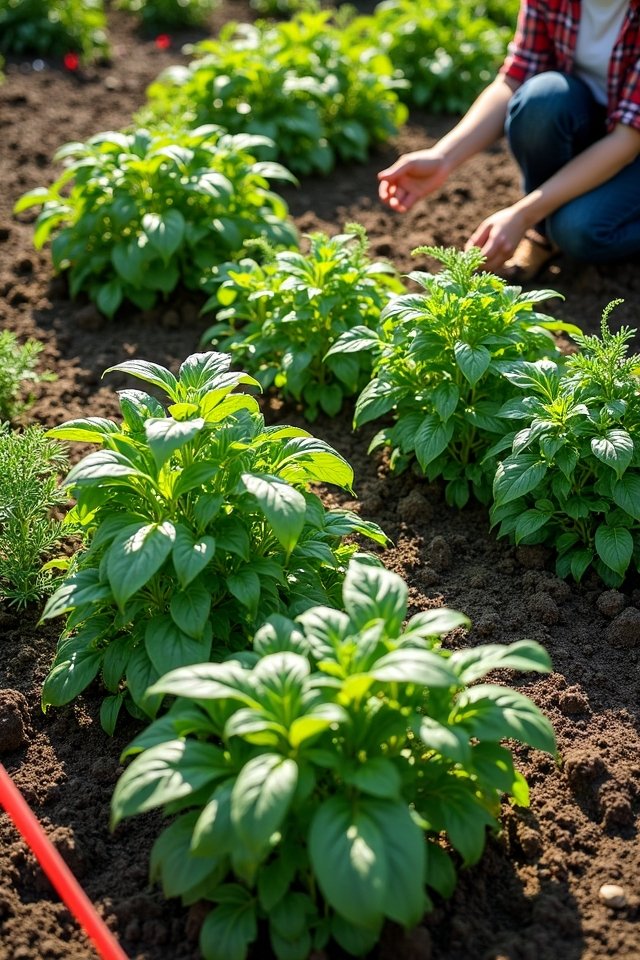
Imagine strolling through a lush garden, where each bed tells a story of vibrant vegetables thriving in harmony! Visualize this: you planted tomatoes, lettuce, and beans in rotation. The first season, you bask in the rich flavors and dazzling colors. The following year, you switch the crops around! This clever dance boosts crop diversity, keeping pests confused and soil nutrients happy. You might even notice a serious yield improvement—who doesn’t love a basket overflowing with fresh produce? For example, when you follow beans with carrots, those nitrogen-loving legumes fuel the sweet roots beneath! It’s like nature’s teamwork! So, why not adopt this innovative approach? Your taste buds (and your garden) will thank you! Happy gardening!
Frequently Asked Questions
How Does Crop Rotation Affect Soil Structure in Raised Beds?
Crop rotation works wonders for your raised bed’s soil structure! By planting different crops each year, you keep that soil health alive and kicking, just like a well-balanced diet! Think of it as giving your soil a spa day—different roots break up compacted soil, enhancing aeration! Plus, rotating crops helps maintain nutrient balance, avoiding the depletion caused by monoculture. Your plants will be happier, healthier, and thriving, just like you after a quick stretch!
Can I Rotate Crops in Containers as Well?
Absolutely, you can rotate crops in containers! Think of container gardening as a mini farm where crop diversity blooms. Switch out your tomatoes for zesty peppers and vibrant lettuce every season. This keeps pests guessing and boosts nutrient levels in the soil. Plus, it’s like giving your plants a fresh start—like a new hairstyle! So, go ahead, mix it up and watch your containers thrive like a colorful garden party! Isn’t that exciting?
What Monitoring Practices Can Assist in Crop Rotation Effectiveness?
Imagine your garden is a stage, and each crop plays a starring role! To guarantee stellar performances, keep an eye on crop health and pest management by tracking plant growth, checking soil moisture, and noting pest appearances. Rotate crops like a lively dance, swapping them seasonally to confuse pests. You could even create a simple chart to visualize your garden’s cast—who’s in, who’s out! Staying engaged can lead to an award-winning harvest!
Are There Exceptions to Crop Rotation Rules for Certain Plants?
There are exceptions to crop rotation rules for specific crops. For instance, legumes like peas and beans can be rotated annually without any fuss due to their nitrogen-fixing abilities. Isn’t that a delightful twist? However, watch out for common pests; some plants like tomatoes and potatoes don’t play well together! So, keep your garden vibrant and thriving by mixing things up, but don’t forget to dance around with those special exceptions!
How Can Urban Environments Impact Crop Rotation Strategies?
Urban environments can be like a jigsaw puzzle for gardeners! With limited space, you’ve got to maximize every inch. Think about your urban soil’s health—it may need extra care to nurture your crops. Local climates can shift dramatically, affecting growth patterns. Plus, strong pest management becomes essential; urban critters aren’t shy! So, embracing unique strategies, like companion planting or vertical gardens, can keep your harvests thriving while you outsmart those pesky pests!