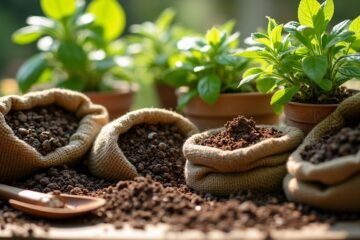
When it comes to container plants, picking the right organic soil is key! Coconut coir holds moisture like a cozy sponge while ensuring great aeration. Peat moss is another fantastic choice, perfect for retaining water without suffocating roots. Don’t forget about compost and worm castings—they’re like a nutrient buffet for your plants! Add a sprinkle of perlite for drainage, and you’ve got a winning formula. Curious about how to create the perfect blend for your specific plants?
Importance of Organic Soil for Container Plants
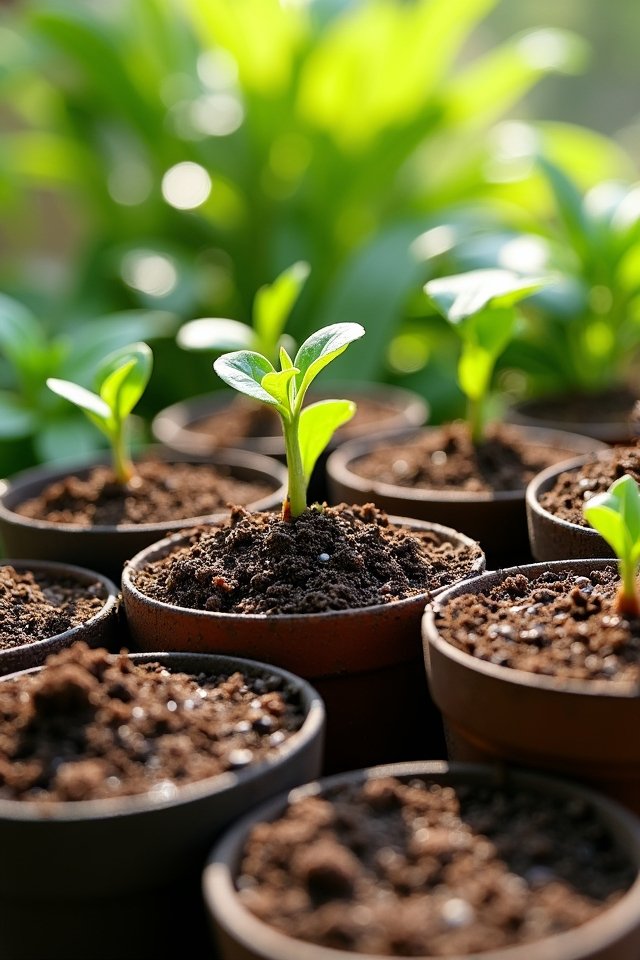
When you think about container plants, soil might not be the first thing that springs to mind, but it’s a game-changer! Imagine your plants thriving like they just won the botanical lottery! The benefits of organic soil are immense, boosting container plant health in ways you’ve got to see. Organic soil retains moisture better, reducing the need for constant watering—who wouldn’t love that? It’s like offering your plants a cozy blanket of nutrients! Plus, it encourages beneficial microorganisms that energize your plants, making them stronger and more resilient. Picture lush, vibrant foliage swaying gently in the breeze. So, why settle for anything less? Invest in organic soil, and watch your container plants burst with life and energy!
Coconut Coir
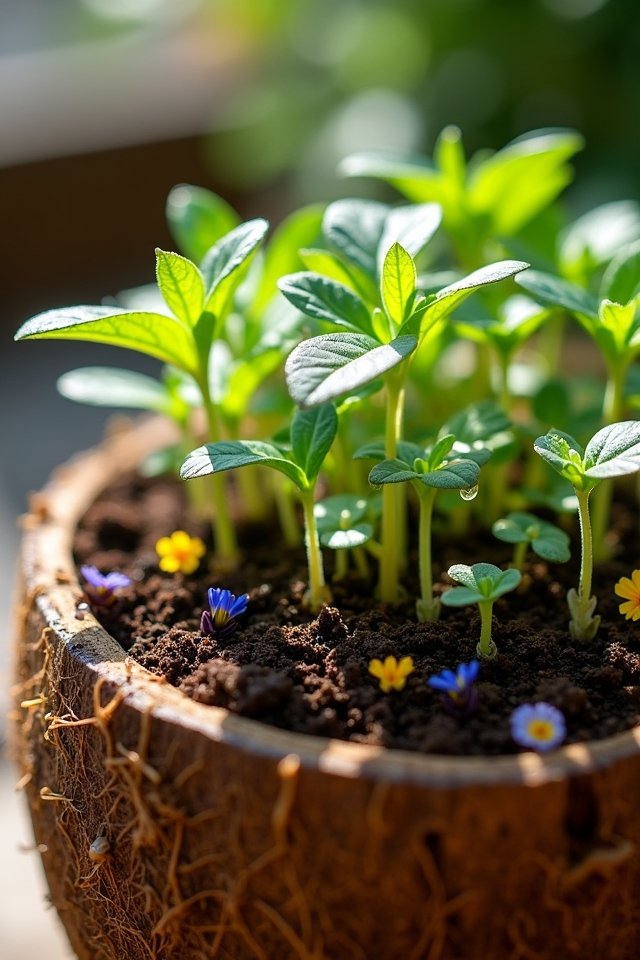
Coconut coir is like the eco-friendly superhero of organic soils, swooping in to save your container plants! When you choose this remarkable medium, you’re accessing tons of coconut coir benefits, such as excellent water retention and outstanding aeration. Imagine your plants basking in moist, breathable goodness—sounds dreamy, right?
You can use coconut coir in potting mixes or as a standalone soil alternative. Mixing it with compost gives your plants the nutrition they crave, while its fibrous texture offers perfect drainage. Plus, it’s completely sustainable—who wouldn’t want to help the planet while gardening? Immerse yourself in the world of coconut coir and watch your container plants thrive! Isn’t it time to give your green friends the best?
Peat Moss
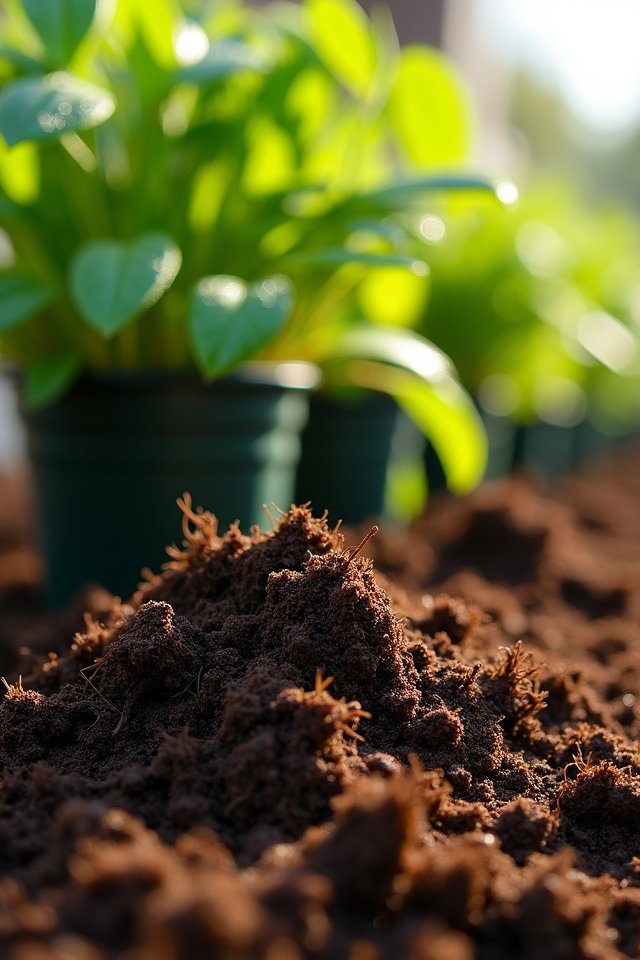
Forget about just filling your pots with plain old dirt—peat moss is here to elevate your container planting experience! This organic wonder offers a multitude of peat moss benefits that every innovator should know. Check out why you should consider it for your next gardening adventure:
- Retains moisture, so your plants stay hydrated without overwatering!
- Improves soil structure, helping your roots breathe and thrive.
- Naturally acidic, perfect for plants like blueberries and azaleas!
- Lightweight and fluffy, making it easy to handle and mix in.
If peat isn’t your jam, don’t fret! There are peat moss alternatives like coconut coir and composted bark that can also work wonders. So, what are you waiting for? Immerse yourself and watch your plants flourish!
Compost
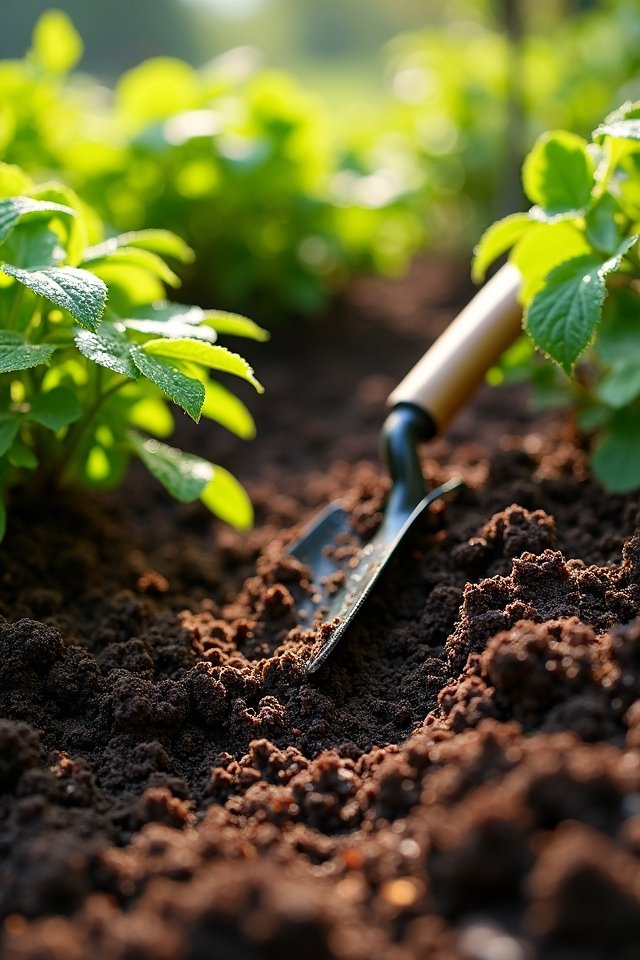
If you’ve ever marveled at the richness of a garden bed bursting with vibrant flowers and lush green foliage, you know compost is the secret ingredient behind that botanical magic! But what’s so special about compost? The compost benefits are endless! It nourishes your plants like a gourmet meal, full of nutrients they crave. Plus, it improves soil structure, making it fluffier—akin to a soft, cozy pillow for roots!
You can explore various compost methods like classic pile composting or the trendy tumbler approach! Mix kitchen scraps, yard waste, and a sprinkle of patience, and voilà! You’ll have black gold for your container plants, thriving with energy! So, roll up your sleeves and join the compost revolution—your plants will thank you!
Worm Castings
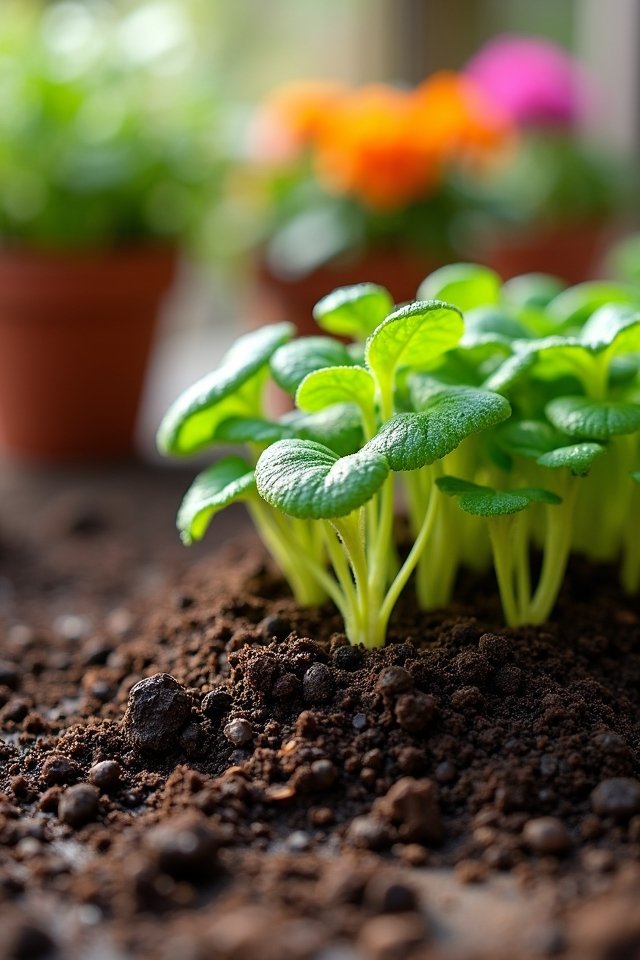
Now that we’ve uncovered the magic of compost, let’s dig deeper into another incredible organic option: worm castings! These tiny nuggets pack a punch with essential nutrients, and they’re a game changer for container gardening. You’ll love the worm benefits, like enhanced soil structure, better moisture retention, and increased microbial activity!
Here’s how to make the most of castings usage:
- Boost nutrient content in your potting mix
- Enhance earth’s natural soil structure
- Suppress harmful diseases and pests
- Create a thriving ecosystem for your plants
With worm castings, your plants will practically sing with joy! So, why not give your green friends an organic boost? Your container garden will thank you with vibrant blooms and luscious leaves! 🌱
Bark Mulch
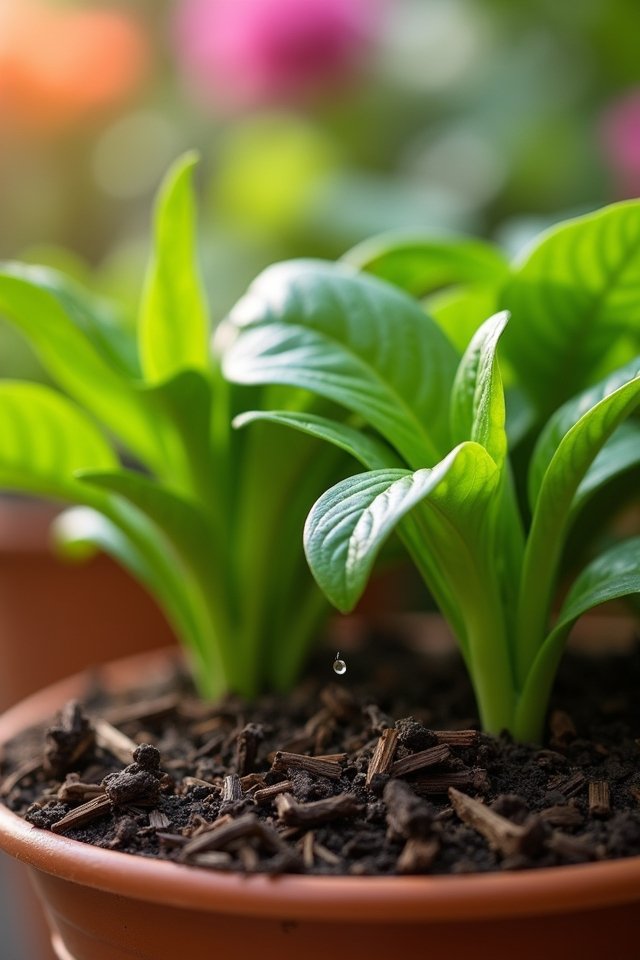
When it comes to nurturing your container plants, bark mulch is like a cozy blanket wrapped around their roots! It boasts amazing bark mulch benefits, such as moisture retention and temperature regulation, which help your plants thrive. You’ll find various bark mulch types, like pine, cedar, and hardwood, each with unique textures and aromas. For instance, cedar’s natural oils can repel pests, while pine’s acidity promotes vibrant blooms in certain plants. Want to keep weeds at bay? Bark mulch is your secret weapon! Plus, it breaks down gradually, enriching your soil over time. So, why not add a layer of bark mulch to your containers? Your plants will feel the love, and you’ll enjoy a thriving, beautiful garden!
Rice Hulls
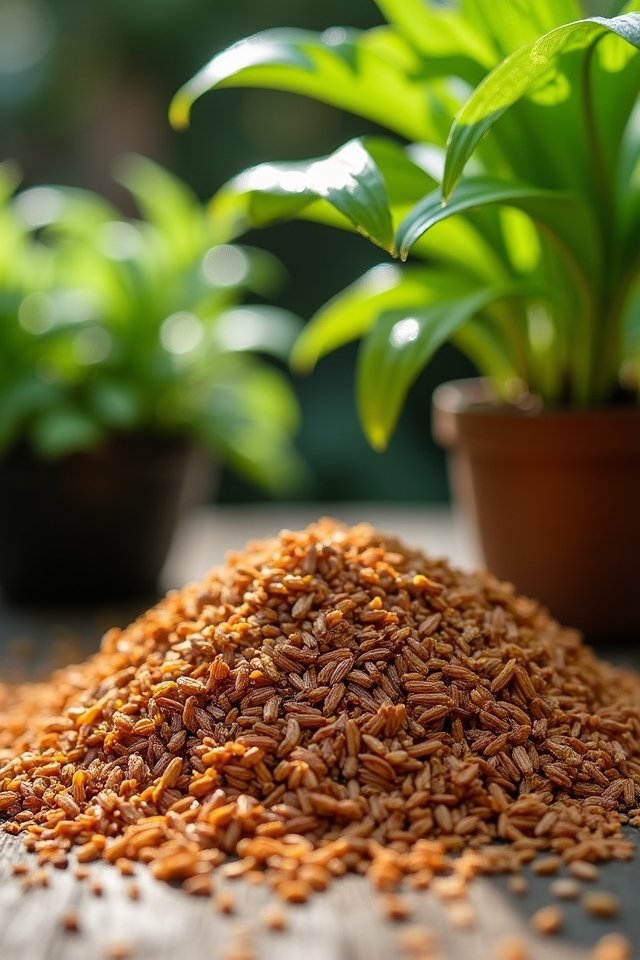
Have you ever thought about incorporating rice hulls into your container plants? They’re not just for a crunchy snack! Rice hulls offer a great mix of benefits for your potting mix. Here’s why you’ll love them:
- Enhanced Aeration: They create space for roots to breathe!
- Lightweight Structure: You’ll be able to rearrange your plants with ease.
- pH Neutral: No need to stress about altering your soil’s acidity.
- Sustainable Resource: Utilizing a byproduct from rice production is eco-friendly!
Rice hulls applications are vast, from improving drainage to adding organic matter. Your plants will thrive! So, why not give rice hulls a shot? It just might be the secret ingredient for lush, happy foliage!
Perlite
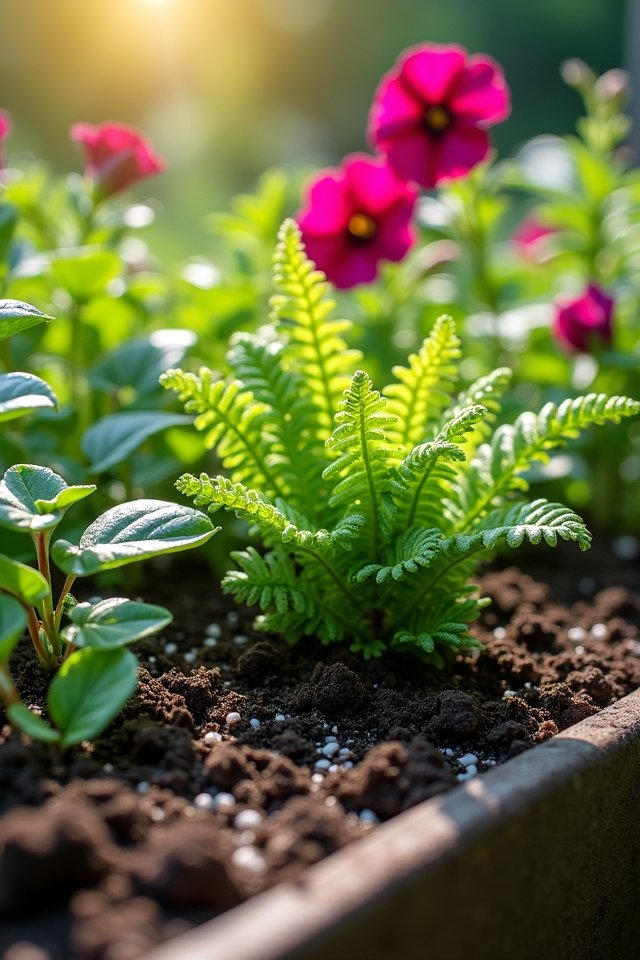
Rice hulls lay a fantastic foundation for your potting mix, but let’s add another superstar: perlite! This lightweight, white volcanic glass is like little pillows of joy for your plants. Perlite benefits include exceptional drainage, preventing pesky root rot, and aerating the soil, which is essential for healthy roots. Your plants will literally breathe easier!
Looking for Perlite alternatives? Consider coconut coir or expanded clay pebbles, but they often lack that perfect airy texture Perlite provides. So, if you want happy, thriving container plants, get ready to welcome perlite! It’s a game-changer in your potting mix, and you’ll see beautiful results in no time—who wouldn’t want that? Your green thumb will thank you!
Vermiculite
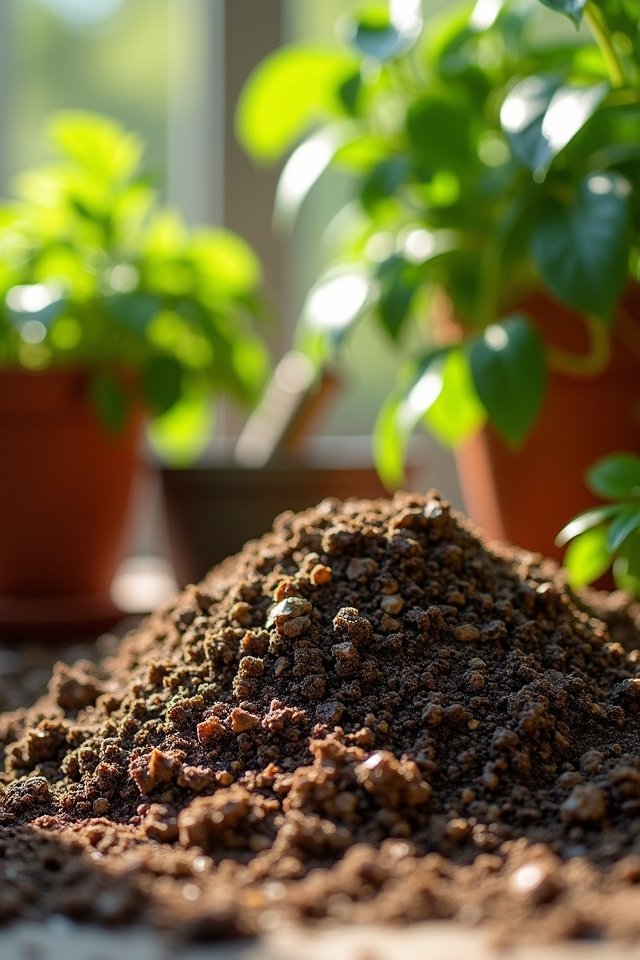
Vermiculite is like a cozy blanket for your container plants, wrapping their roots in warmth and moisture! This lightweight, mineral boost offers amazing vermiculite benefits you won’t want to miss. Imagine your plants’ roots thriving and absorbing moisture effortlessly! You can use vermiculite in so many innovative ways:
- Improve soil aeration for healthy root growth.
- Enhance moisture retention to keep plants hydrated longer.
- Balance pH levels for ideal nutrient uptake.
- Mix it with compost for a supercharged growing medium!
It’s perfect for potting mixes, seed starting, or even for your favorite houseplants. With its versatile uses, you’ll see your plants flourish like never before! Who wouldn’t want thriving greenery in their space?
Diatomaceous Earth
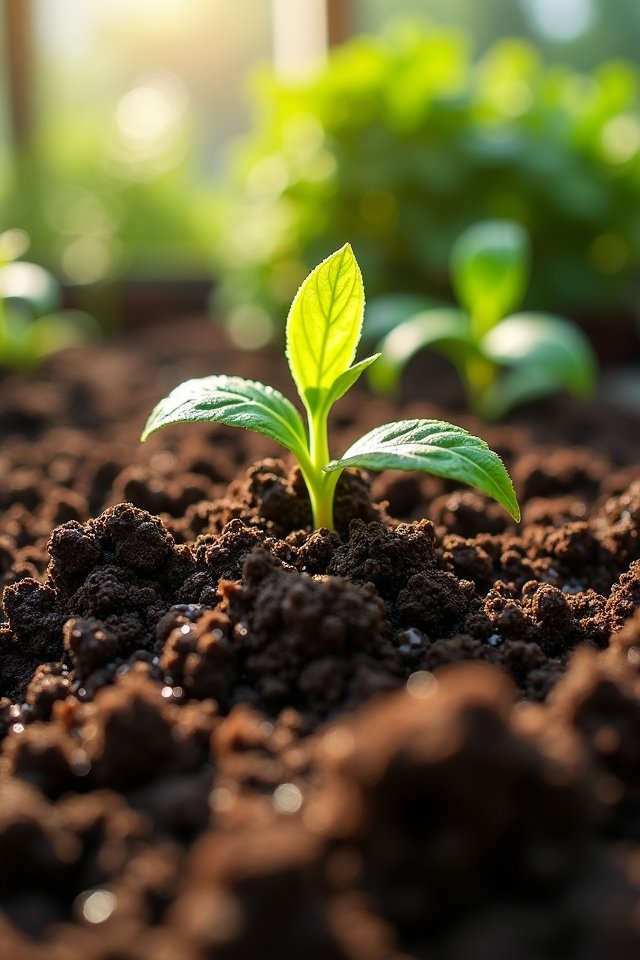
If you want to give your container plants a unique boost, then diatomaceous earth is just what you need! This remarkable natural substance comes packed with diatomaceous benefits that can elevate your plants to new heights. Think of it as a secret superhero for your soil! Not only does it improve drainage, but it also acts as an incredible pest control agent. Its sharp particles deter unwanted visitors like slugs and aphids, making your plants thrive without the use of harsh chemicals. Imagine your plants standing tall and proud, free from pesky invaders! Adding diatomaceous earth creates a dynamic environment where your flora can flourish. So, sprinkle some in the mix and watch your container garden come alive with vibrant growth!
Soil Blends for Specific Plants
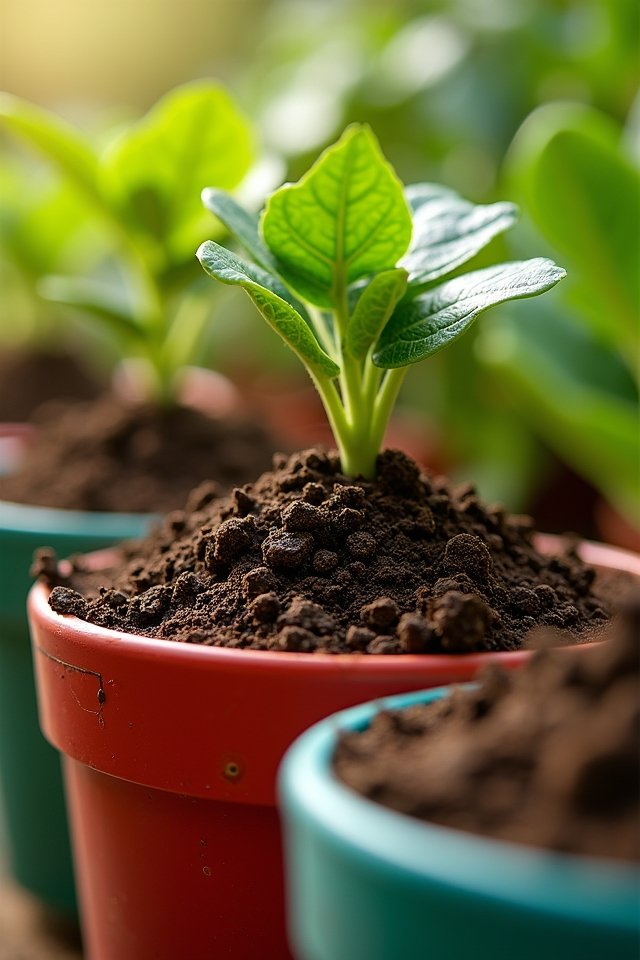
Just like diatomaceous earth gives your plants that superhero edge, choosing the right soil blend for specific plants makes all the difference in their health and happiness! By aligning soil with each plant’s unique nutrient requirements, you’ll boost growth like never before.
Here are some innovative blends for popular container plant types:
- Cacti and Succulents: Use sandy, well-draining mixes to prevent rot.
- Herbs: Go for a loamy blend packed with organic matter for rich flavor.
- Orchids: Try a chunky mix of bark and charcoal to mimic their natural habitat!
- Fruits and Vegetables: Select nutrient-rich potting soil that retains moisture but drains well.
Your plants deserve the best, so let’s lift them to new heights!
Frequently Asked Questions
How Often Should I Replace Organic Soil in Containers?
You should replace organic soil in your containers every 12 to 24 months, depending on how vigorously your plants grow. Think of it as a rejuvenating spa day for your plants! Frequent watering leaches nutrients—think of those tired, sleepy soil particles. Inspect for compaction or a foul smell: that’s a sign it’s time! So, keep your container plant care fresh and lively! A little soil love goes a long way!
Can I Mix Different Organic Soils Together?
You know what they say: “Many hands make light work!” When mixing organic soils, it’s all about soil compatibility. Try blending rich compost with fluffy coco coir! Use mixing techniques like layering or creating a uniform blend, letting you get creative. Your plants will thrive in this delightful concoction! Just remember—different textures and nutrients can be the secret sauce for a luscious garden. Ready to get your hands dirty? Let’s do this!
What Is the Best Way to Store Unused Organic Soil?
You’ve got organic soil leftovers—great! To keep it fresh, store it in airtight storage containers. This prevents moisture loss and keeps your soil as lively as a spring garden! Make certain the containers are labeled with the date—think of them as time capsules for your vibrant plants. Don’t leave them in damp areas; you want your soil cozy, not soggy. Trust me, your future plants will thank you for this little TLC moment!
Are There Any Pests Associated With Organic Soil?
Organic soil can attract pesky critters like gnats or mold, but don’t worry! Think of pest management as your trusty sidekick in maintaining soil health. Keep an eye out for tiny invaders, and you’ll effortlessly defend your plants. You can introduce beneficial insects, like ladybugs, or use neem oil to get rid of unwanted guests. With a little vigilance and creativity, your plants will flourish, free from drama—just like a peaceful garden retreat!
How Does Organic Soil Affect Plant Growth Speed?
Organic soil can supercharge your plants’ growth rate! When it’s rich in nutrients, you’ll watch those little green sprouts zoom toward the sky, thanks to improved nutrient availability. Imagine your tomatoes happily soaking up the goodness—like kids in a candy store! Plus, organic materials break down slowly, providing a steady nutrient drip. So, if you want your garden to thrive faster than a caffeinated rabbit, organic soil’s the way to go! Isn’t that exciting?