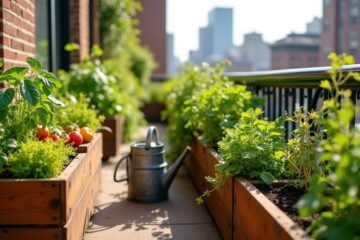
Want to create an urban garden paradise? Start by picking the sunniest spot to soak in six hours of glorious sunlight! Choose durable materials like cedar for those raised beds—it’ll last years. Fill them with rich soil, mixed with compost for happy, thriving plants! Don’t forget to pair up veggies like tomatoes and basil for a flavor-packed harvest. And let’s talk watering: a drip system is your best friend! Stick around to get even more tips!
Choosing the Right Location for Your Raised Bed
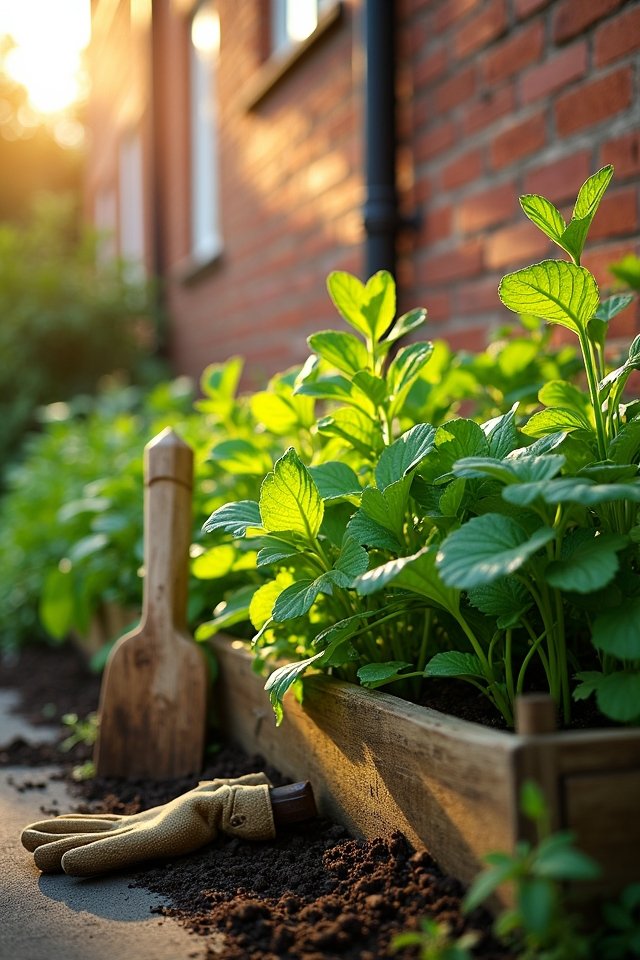
Choosing the right location for your raised bed is like picking the perfect spot for a picnic—sunshine is key, and a little shade can be a delightful bonus! To grow healthy plants, aim for at least six hours of sunlight exposure each day. Picture your bed soaking up those golden rays, while you sip lemonade nearby! And don’t forget about wind protection. Consider positioning your raised bed near walls or fences that can shield your plants from harsh gusts. Think of it as giving your veggies a cozy blanket! If you can find a spot that balances light with a bit of shelter, you’re set for an innovative garden adventure. So, grab your shovels and make it happen!
Selecting the Best Materials for Construction
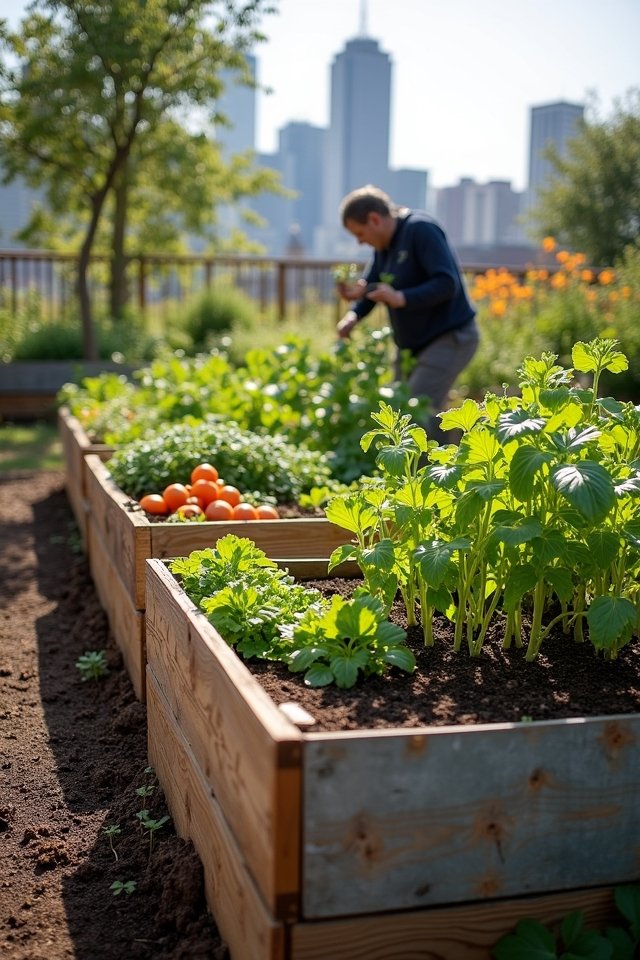
When you explore urban gardening, selecting the best materials for your raised bed can feel like starting on a grand adventure! Think about wood types, like cedar or redwood, which not only charm the eye but also boast impressive material durability. You want a bed that can brave the elements, don’t you? Avoid treated lumber; it can leak chemicals that aren’t so friendly to your veggies. Instead, consider recycled composites or metal for a modern twist—talk about innovation! Just picture those sleek lines contrasting against your vibrant tomatoes! And remember, a sturdy base means less wobble and more success. So, grab those materials and get building—your plants will thank you with vibrant leaves and delicious fruits! Happy gardening!
Soil Preparation and Nutrient Management
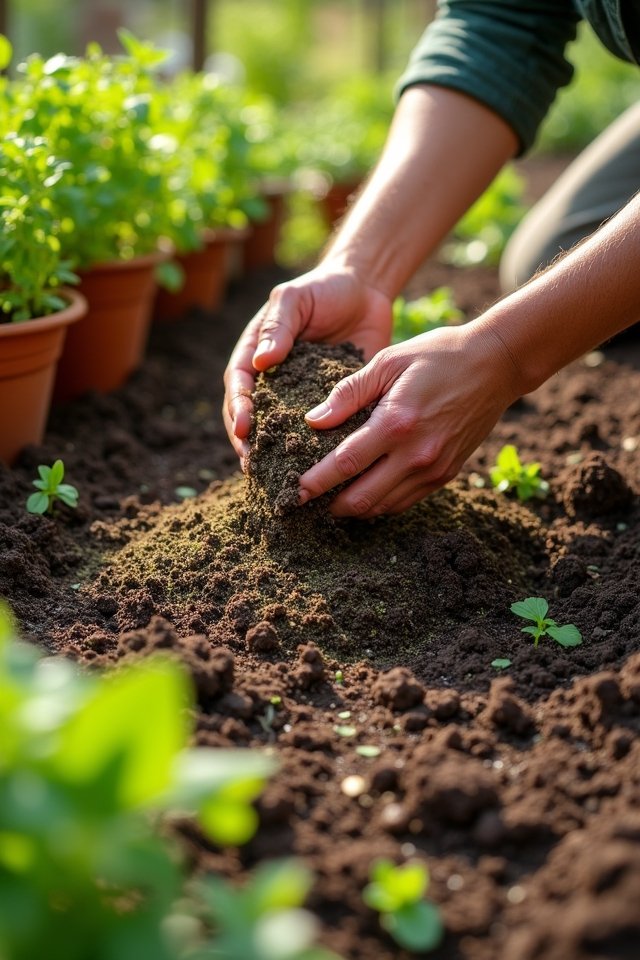
Before you plunge into planting, let’s talk about soil preparation and nutrient management—it’s like giving your plants the perfect, cozy blanket to snuggle up in! Start by mixing rich soil amendments, like compost and aged manure, into your raised bed. Think of these additions as the secret sauce that makes your garden thrive! You’ll want to promote nutrient cycling too, allowing your plants to absorb what they need while giving back organic matter to the earth. Toss in some crushed eggshells for calcium or coffee grounds for a caffeine boost—your plants will love it! Use a soil test kit to tweak nutrients, ensuring they’re prepared for their growing season. Your plants deserve this cozy, nutrient-rich home, don’t they? Happy gardening!
Plant Selection for Urban Raised Beds
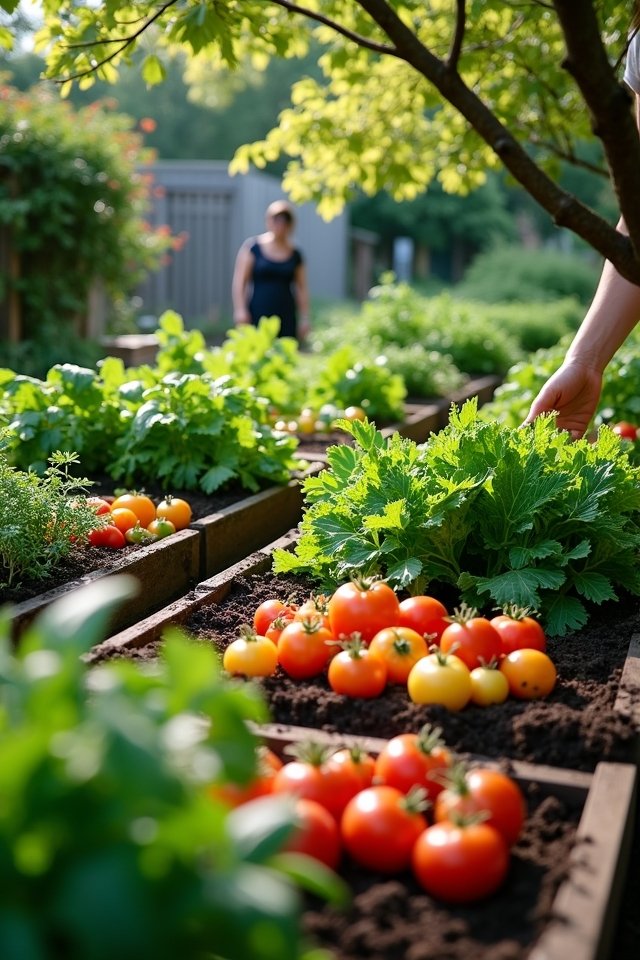
While it may seem like a tall order, selecting the right plants for your urban raised beds can be both a fun adventure and a delightful puzzle! Think about herb varieties that sparkle in your dishes, like zesty basil or aromatic thyme. They’ll not only beautify your space but also elevate your meals! Now, let’s talk vegetable choices! Imagine sinking your teeth into fresh, crunchy carrots or vibrant, plump tomatoes! These picks thrive in confined spaces and grow surprisingly well. Spread your creativity by mixing colorful peppers or leafy greens together—talk about a feast for the eyes! So grab your gardening gloves, and let your imagination run wild, turning your urban oasis into a vibrant tapestry of flavor!
Efficient Watering Techniques for Small Spaces
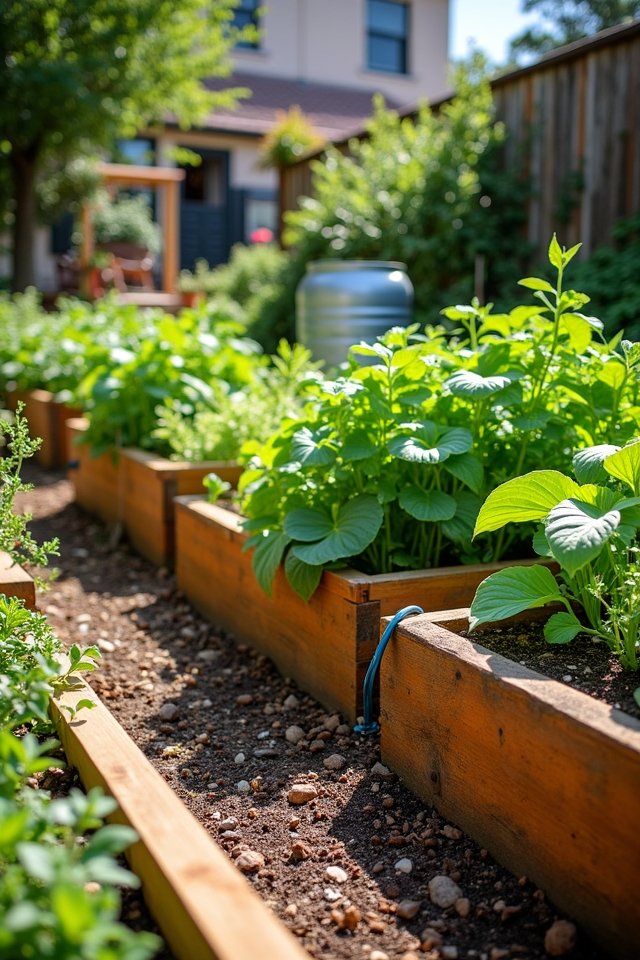
How can you keep your beloved plants happy and hydrated in those snug urban raised beds? Consider installing a drip irrigation system—a game changer! This efficient approach delivers water directly to the roots, like a revitalizing rain shower for your plants. Plus, it helps with moisture retention, reducing waste and time.
You’ll marvel at how your blossoms thrive, sipping just the right amount. Have you ever seen plants perk up after a good drink? It’s like witnessing a magic show!
To maximize efficiency, use mulch around your beds—think of it as a cozy blanket that keeps moisture in. So, whether you’re on-the-go or curled up with a book, your plants will thank you by blooming beautifully!
Maximizing Space With Companion Planting
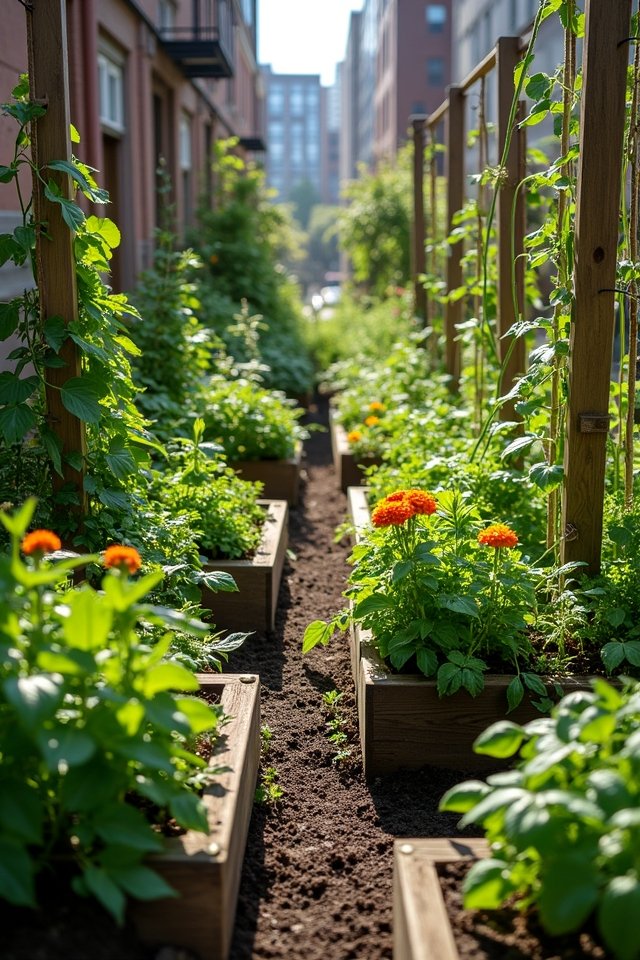
Ready to make every inch of your raised bed count? Harness the magic of companion planting! Using intercropping strategies, you can grow plants that love each other, like tomatoes with basil or carrots with onions. Imagine vibrant colors and delicious flavors, all thriving together! This isn’t just about aesthetics; it’s about plant compatibility. Certain plants can repel pests or enhance each other’s growth, kind of like the perfect gardening buddy system! So, why not stack vertically? Let leafy greens like spinach flourish under taller companions like corn! You’ll maximize space and create a mini-ecosystem. Plus, it’s like hosting a garden party—everyone’s invited! Get ready to reap the benefits of this innovative, space-saving approach! Happy planting!
Frequently Asked Questions
Can I Use Leftover Wood From Other Projects for Raised Beds?
Absolutely, you can use leftover wood! Just make certain it’s untreated to keep your veggies safe. If you’ve got pressure-treated wood, that’s a no-go! A little wood treatment method can boost durability, too. Think of it like giving your beds a cozy raincoat! So, grab that scrap wood, slap on some weather-resistant finish, and watch it become the fortress for your tomatoes. Happy building—let’s get those plants thriving while you channel your inner carpenter!
How Deep Should My Raised Bed Be for Various Plants?
When you’re planning your raised bed depth, think about your plants’ root depth! For most veggies, 12 inches is a great start, but if you’re growing deep-rooted wonders like tomatoes, aim for 18 to 24 inches. It’s like giving them a comfy basement to grow in! Don’t forget, good drainage is key, so mix in some sand. You want those roots dancing happily down there! Ready to dig in? Let’s grow something amazing!
What Are the Best Pest Control Methods in Urban Gardens?
Imagine your urban garden as a bustling city, alive with movement! You’ve got to keep those pesky pests at bay, right? Welcome natural predators like ladybugs and lacewings—they’re like your garden’s little superheroes! You can also deploy organic repellents, such as neem oil or garlic spray; they’re nature’s secret weapons against unwanted guests. Try these methods, and your plants will thrive, turning your garden into a magical oasis instead of a pest-ridden battlefield!
How Often Should I Rotate Crops in Raised Beds?
You should rotate your crops every growing season! Think of it like giving your soil a revitalizing spa day. Following a planting schedule keeps nutrients balanced and pests confused! Imagine planting tomatoes one year and then, say, carrots the next. Your plants will thrive like a best friend on a fun outing! Plus, rotating prevents disease buildup and keeps your garden lively. So, mix it up and let your raised bed dance with vibrant growth!
Can I Grow Vegetables in Raised Beds Year-Round?
Absolutely, you can grow vegetables in raised beds year-round! With seasonal planting, you can’ve fresh veggies even in winter. Just think about climate considerations—if it’s chilly, try hearty greens or root veggies. Imagine biting into a crispy carrot on a frosty day; it’s magic! Consider using row covers or cold frames to protect your plants. Isn’t that exciting? You’ve got a whole palette of flavors waiting for you, all year long!