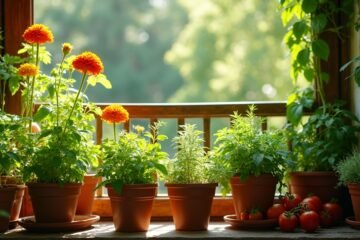
Looking to spice up your small garden space? Try companion planting! Mix basil with your tomatoes for a flavor explosion, while marigolds tackle pesky aphids. Just like a buddy system, these plants support each other, leading to happier, healthier veggies! Don’t forget to add some vertical flair with climbing cucumbers or hanging pots of edible flowers. Your garden will look dazzling and taste fantastic! Stick around for more tips on maximizing your gardening success!
Understanding Companion Planting
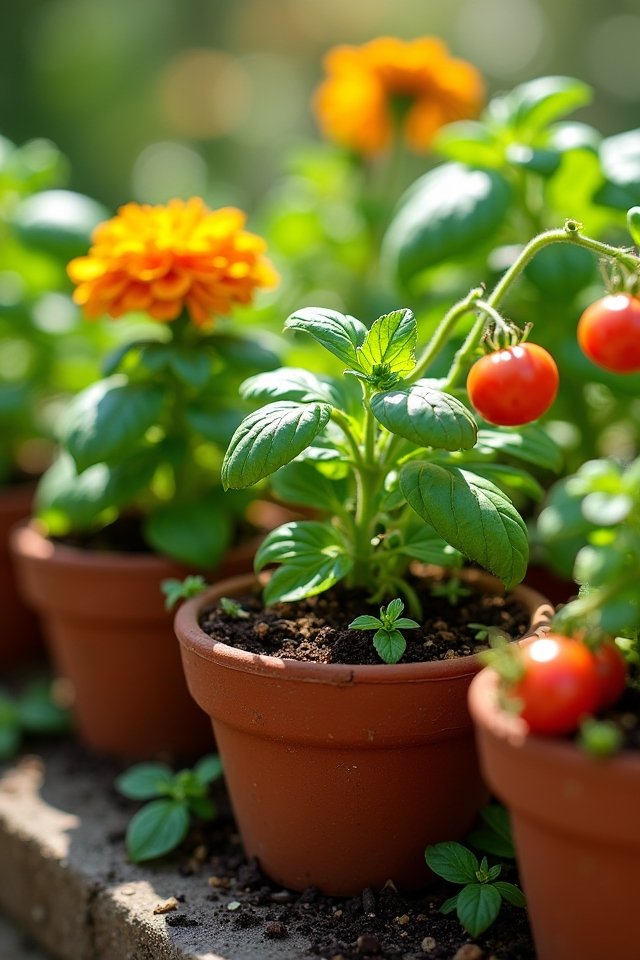
When you start gardening, it’s easy to feel overwhelmed by all the choices, but don’t worry! Understanding companion planting is your secret weapon for a thriving small garden. Imagine the harmony of mixing tall sunflowers with low-growing herbs like basil. They not only look pretty together, but each plant benefits the other! This garden diversity naturally deters pests while attracting helpful pollinators. Isn’t that inspiring? You’ll discover that the more varied your plants, the healthier your garden becomes! Plus, you get to enjoy fresh flavors and vibrant colors right from your backyard! So, dig in and adopt this innovative approach. Your small garden can be a powerhouse of plant benefits, just waiting for you to release its potential!
Selecting Plants That Thrive Together
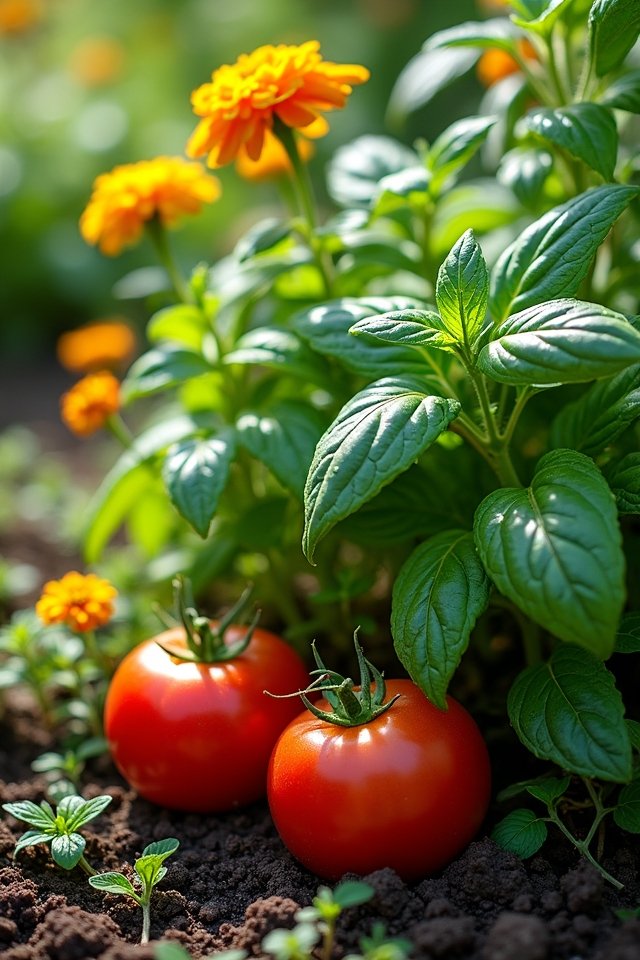
To create a flourishing garden, it’s essential to know which plants truly get along! Think of your plants as friends at a party; you want the lively, colorful combinations that bring out the best in each other. For example, pairing tomatoes with basil doesn’t just taste heavenly; they also boost each other’s growth! On the other hand, planting peas with carrots encourages plant compatibility, as they share nutrients harmoniously. Ever tried mixing bright marigolds with leafy greens? Not only do they look stunning together, but marigolds also deter pesky pests! So, immerse yourself in the world of plant relationships, where each companion has something special to share, making your small space vibrant and flourishing! What’s not to love about that?
Maximizing Vertical Growing Space
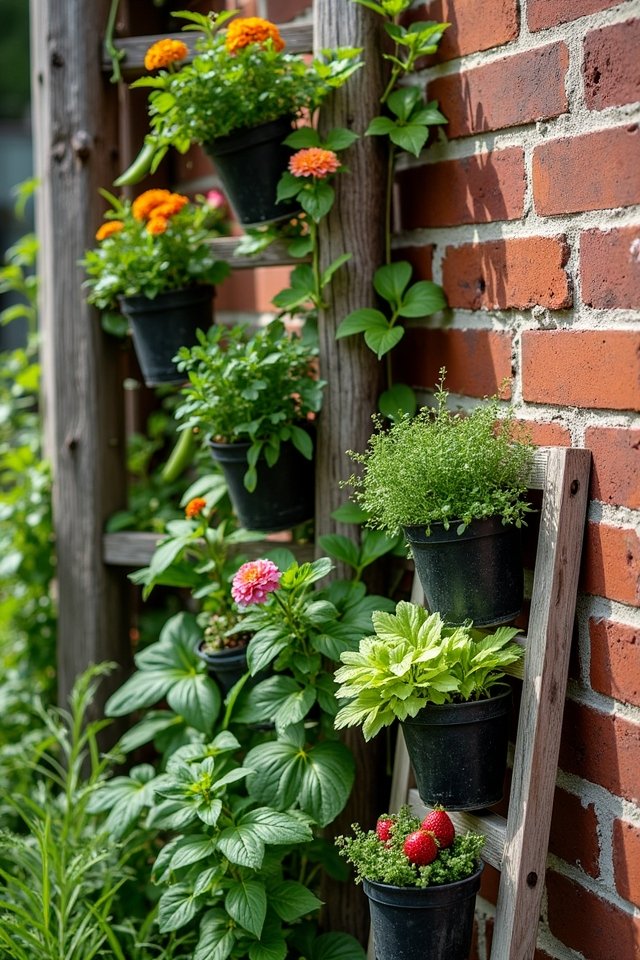
Ever thought about how you can make the most out of every inch in your garden? Vertical gardening techniques are a game-changer! By training plants like tomatoes or cucumbers to climb, you’re tapping into a treasure trove of space-saving strategies. Picture a wall of lush greenery, each vine reaching for the sun, while freeing up precious ground for your favorite herbs! Using shelves or hanging pots can create delightful layers in your garden. Think of it as a vertical buffet for your eyes! And hey, don’t forget that trellises can turn plain fences into breathtaking living art! So, grab your gardening gear and take your space to new heights—it’s a vertical wonderland waiting for you!
Utilizing Edible Flowers as Companions
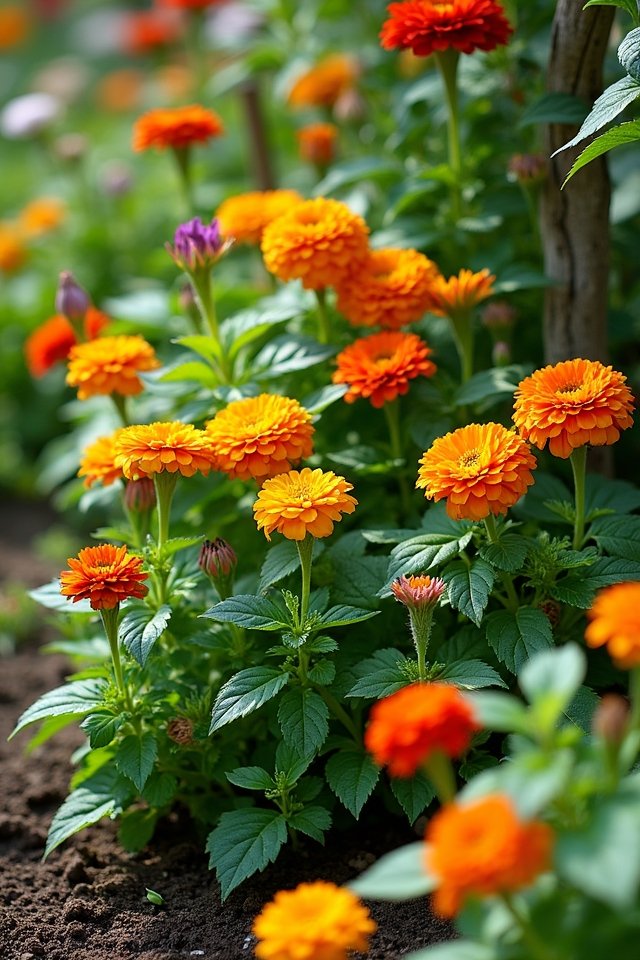
Why not add a splash of color and flavor to your garden by utilizing edible flowers as companions? Imagine vibrant nasturtiums climbing alongside your lettuce, creating a feast for the eyes and palate! These beauties not only enhance your dishes but also possess edible flower benefits, attracting beneficial insects. Flower pairing strategies, like planting marigolds with tomatoes, create a complementary atmosphere, boosting flavor and visual appeal. You’ll be amazed at how these flowers elevate your gardening game! Plus, a zesty salad topped with pansies is sure to impress dinner guests. So go ahead, sprinkle some color in your garden, and let those edible blooms steal the show! Your small space will be a delightful work of art and flavor!
Fostering Pest Control Through Plant Pairing
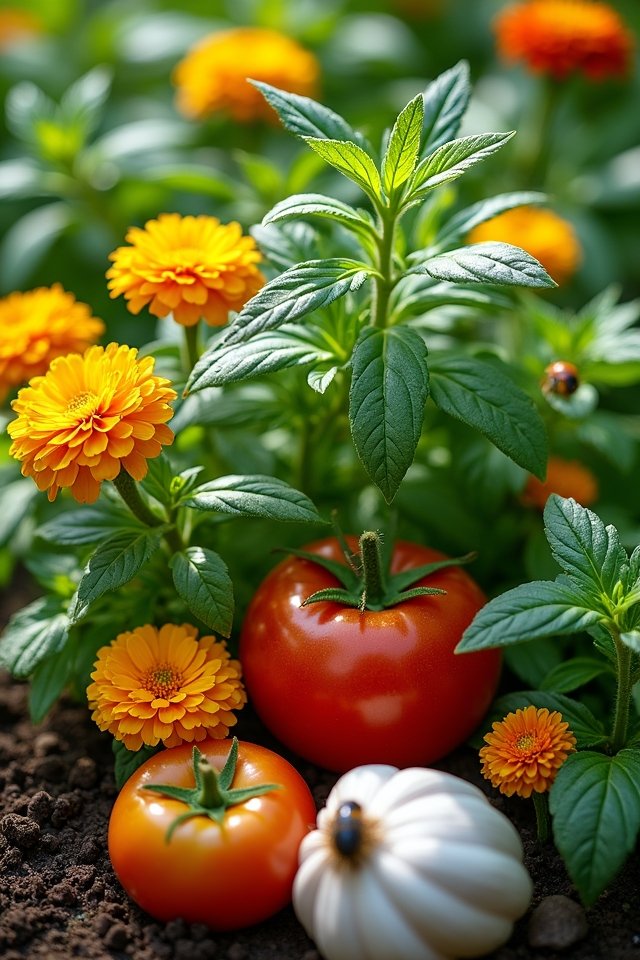
While those stunning edible flowers are brightening up your garden and attracting beneficial insects, let’s chat about another fantastic benefit of companion planting: pest control! By pairing certain plants, you can create nature’s own pest deterrents. For example, plant marigolds alongside your tomatoes—their strong scent confuses pesky nematodes and aphids. Isn’t that clever? Similarly, basil loves hanging out with peppers; it not only boosts their flavor but also repels those nasty whiteflies. Talk about teamwork! Plus, inviting beneficial insects like ladybugs and lacewings with sweet alyssum adds another layer of protection. So, as you cultivate that vibrant space, remember: it’s not just beauty you’re growing—it’s a proactive stance against pests! Isn’t gardening just delightful?
Enhancing Soil Health With Companion Plants
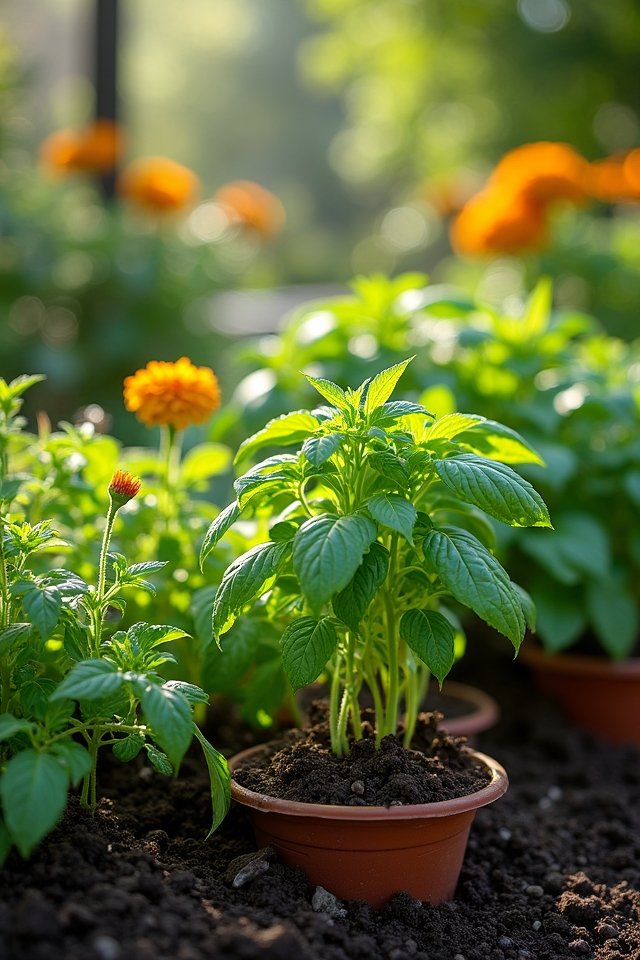
When you think about boosting soil health, companion planting might just be your secret weapon! Envision this: planting legumes like beans alongside corn! These fabulous plants fix nitrogen in the soil, giving your corn the nutrients it craves. By mixing in herbs like basil with tomatoes, you’re achieving plant diversity while improving flavors and soil nutrients. It’s like throwing a lush garden party where every guest has a role! Don’t forget about the forgotten companion, clover! This charming ground cover helps prevent erosion, while also bringing its own nutrients along for the ride. So, think creatively! Your soil will be dancing with life, while your small space thrives like a well-tuned orchestra. Isn’t that a sight to behold?
Timing Your Plantings for Optimal Growth
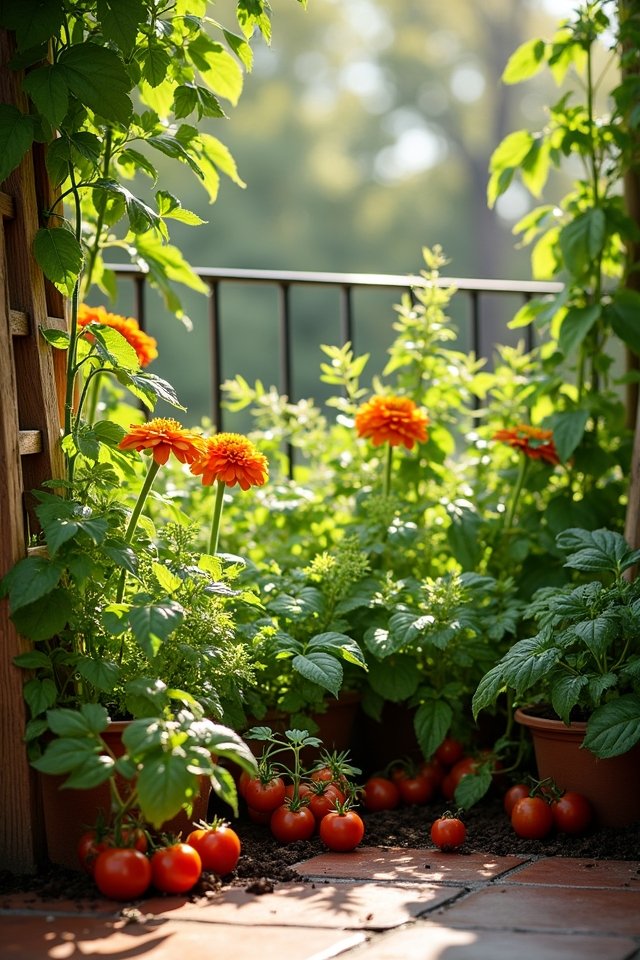
Even the best plants need a little help from you to truly thrive, so timing your plantings is key! Think of it as orchestrating a seasonal symphony, where each plant plays its part in harmony. You’ll want to align your seasonal planting with their growth cycles. For example, plant fast-growing radishes alongside slower-spreading carrots. This combo allows radishes to mature and be harvested before the carrots run out of elbow room!
Getting the timing right means watching the weather and understanding your plants’ needs. Planting too early or late can throw their performance off-key. So grab your calendar, map out your garden, and let nature guide you to a flourishing harvest, bursting with flavor and liveliness! Happy planting!
Creating Microclimates for Better Yield
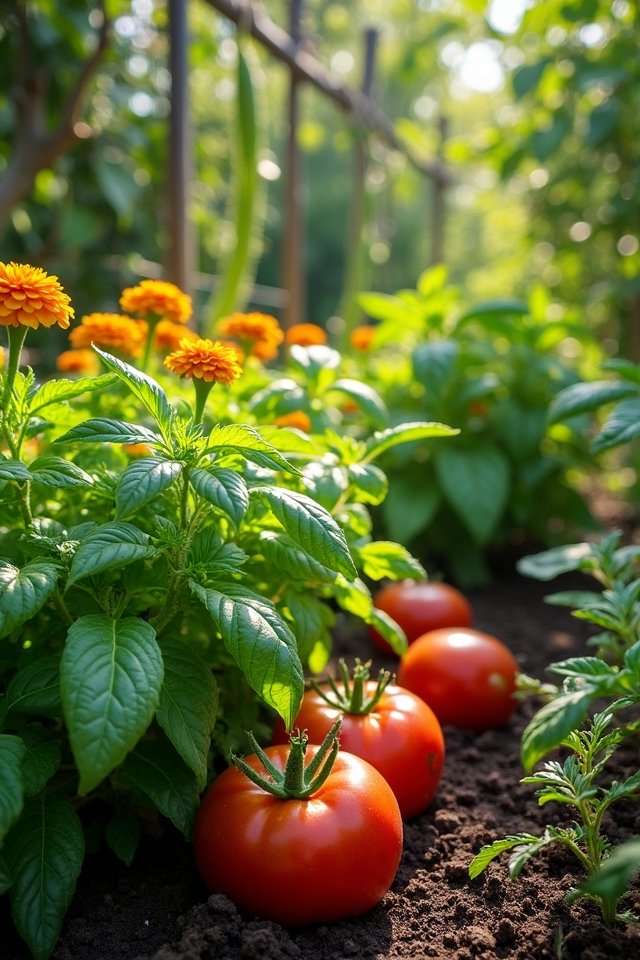
Creating microclimates in your garden can truly make your plants thrive, as if you’re giving them a cozy blanket of warmth and protection! Imagine tucking your precious herbs into a sheltered nook, where the sun gently warms them while wind protection keeps them snug. You can achieve this with simple microclimate creation techniques like using walls or trellises, which act as heat buffers, and mulching, which insulates the soil. Don’t forget your plants love a bit of diversity, so grouping them together helps in temperature regulation—like a plant party! Are your tomatoes feeling the chill? Plant them near taller crops to shield them from chilly breezes. Your innovative efforts can lead to an abundant, thriving garden oasis!
Experimenting With Container Gardening Techniques
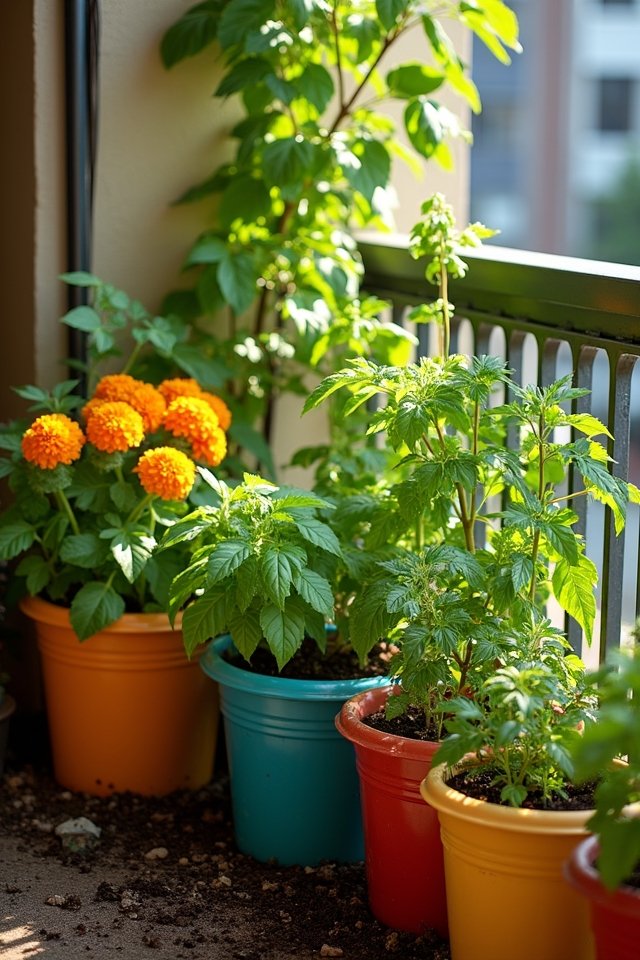
How can you turn a collection of pots into a vibrant garden that bursts with flavor and color? By experimenting with container varieties! Mix sizes and materials—think sleek ceramics or rustic wooden boxes—to create visual excitement. Start with quality soil amendments like compost or perlite for healthy roots and an abundant harvest. Pair vibrant flowers with herbs; imagine plump tomatoes nestled beside cheerful marigolds, blurring the lines between utility and beauty! Don’t shy away from vertical options, too—stack those pots for a stunning green tower! Ever tried pockets of fragrant basil next to zesty peppers? The combinations are endless! So roll up those sleeves, throw on some gardening gloves, and turn your small space into a flourishing masterpiece!
Frequently Asked Questions
Can Companion Planting Help Reduce the Need for Chemical Fertilizers?
Can you imagine growing a garden that thrives without a mountain of chemical fertilizers? Companion planting’s your secret weapon! By pairing plants like tomatoes with basil, you’ll boost soil health while naturally warding off pests. It’s like a friendship feast for your plants! Using these fertilizer alternatives not only keeps your garden vibrant and healthy but also saves you some cash. Plus, who wouldn’t want to help Mother Nature a little? Gardening’s never been this fun!
Which Plants Are Best for Attracting Beneficial Insects in Small Spaces?
You wanna attract beneficial insects in your tiny garden? Think about planting vibrant flowering plants like marigolds and lavender! They’re like bug magnets, luring in pollinators and pest hunters. Don’t forget beneficial herbs, too—basil and dill are not just tasty for you; they also attract friendly insects like ladybugs. Imagine a garden buzzing with life! Get creative and mix them! Who knew your small space could pack such an ecological punch?
How Can I Determine the Right Spacing for Companion Plants?
To determine the right spacing for your companion plants, start by checking spacing guidelines based on each plant’s needs. Think of this like a dance floor—everyone needs room to groove! For instance, tomatoes and basil love each other, but give them some space—about 18 inches apart! This balances sunlight and nutrients. Also, consider plant compatibility; if they’re best friends, they’ll thrive together! So, measure wisely, and watch your garden boogie!
Are There Any Companion Plants That Should Not Be Paired Together?
You’ve gotta watch out for companion plant conflicts! Some plants just don’t get along. For instance, let’s say you pair mint and cabbage; the mint might take over like a clingy friend! Similarly, tomatoes and corn can struggle together, competing for nutrients. Avoid these harmful pairings, and you’ll have a more harmonious garden! Remember, knowing your crops is key to growing abundance. So, choose wisely and watch your plants thrive! 🌱✨
How Do Seasonal Changes Affect Companion Planting Effectiveness?
Think of your garden like a cozy, shifting dance party! Seasonal changes bring unique benefits, like how spring’s warmth helps tomatoes thrive alongside basil. As you rotate crops throughout the year, the soil enthusiastically demands different nutrients. When winter chill settles in, certain plants can fade away, leaving their companions to shine. Ever seen a chard plant bloom uninvited? It’s a delicate balance! Welcome those shifts; your garden’s success depends on it!