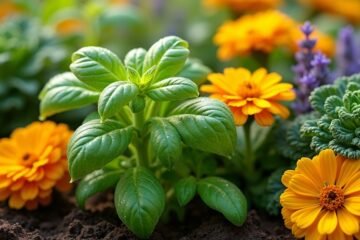
Want to transform your small garden into a vibrant paradise? Start by choosing compatible pairs like tomatoes with basil for flavor and pest control. Mix in some colorful blooms like marigolds to attract beneficial insects! Don’t forget to contemplate plant heights—tall sunflowers can create a natural backdrop. Use vertical gardening to maximize space and sprinkle in nitrogen-fixing legumes for rich, healthy soil. Excited? There’s so much more to explore in companion planting!
Choose Compatible Plant Pairs
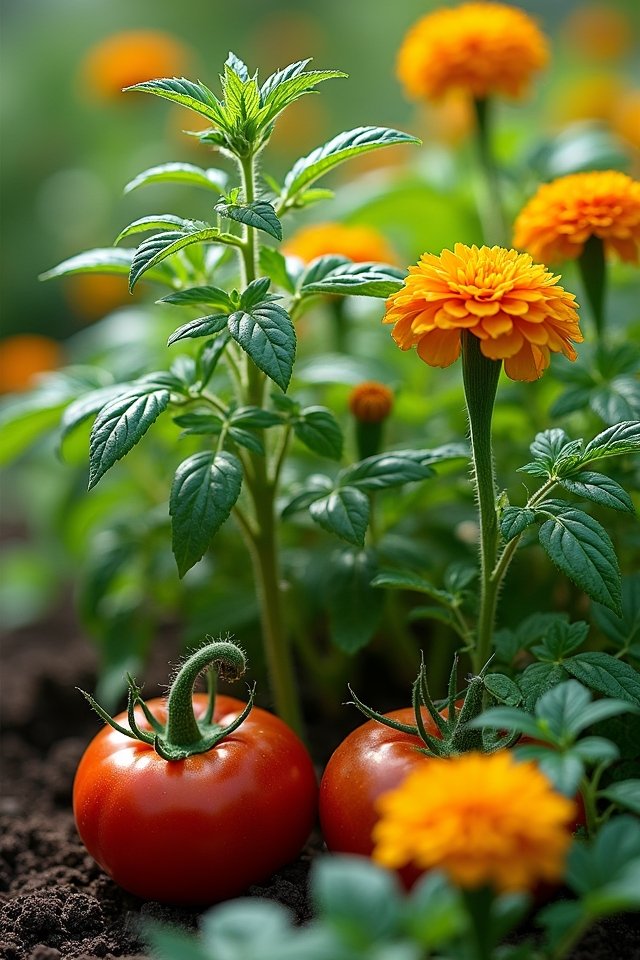
Choosing compatible plant pairs is like matching dance partners; when they groove together, magic happens! You’ll want to focus on plant selection that promotes growth compatibility. For instance, try pairing vibrant marigolds with leafy greens like lettuce. Marigolds can repel pests while your greens soak up the sun! Isn’t that a perfect partnership? Or consider tomatoes alongside basil; they not only elevate each other’s flavors but also suppress weeds. Planting these pairs strategically lets your garden thrive, making it feel like a lush ballroom! So, don’t be afraid to experiment and find your garden’s perfect duo! Get those partners dancing in your small garden, and watch how they transform the space into a breathtaking display of beauty and innovation!
Consider Height and Spacing
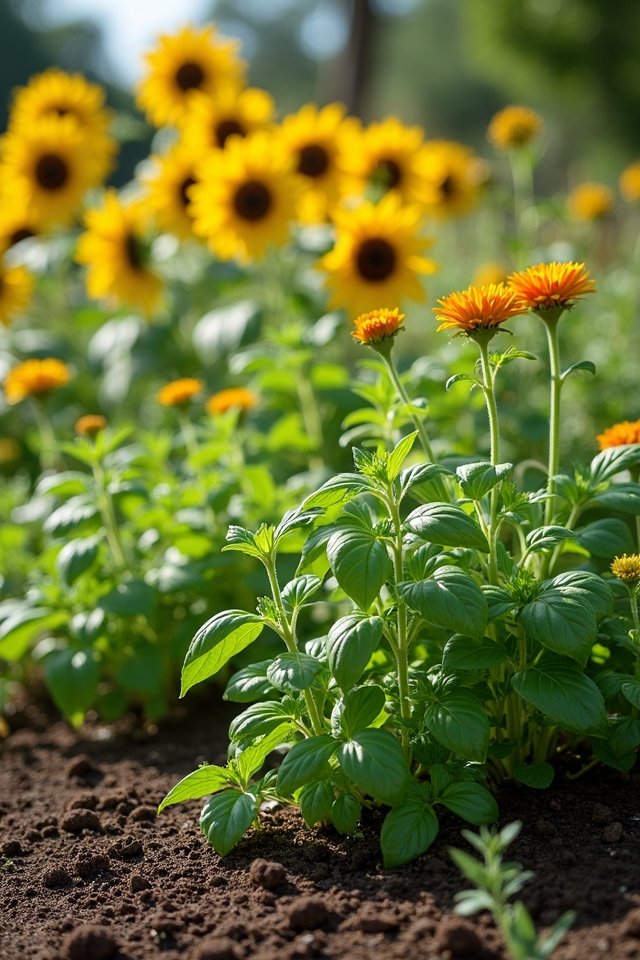
When it comes to planting, understanding height and spacing can be a game-changer! Picture a garden where your tall sunflowers stand proudly behind dwarfed marigolds. You wouldn’t want your leafy greens overshadowed, right? That’s where plant height plays a vital role! Arrange taller plants toward the back and shorter ones upfront for a stunning visual feast. Your spacing arrangement, too, shapes success—give each plant room to breathe! For instance, basil needs a bit of elbow room, while radishes are happy to snug up. Just imagine the joyous dance of colors and textures flourishing in harmony. So, go ahead, mix tall with small, and watch your garden come alive like a vibrant symphony! Trust me, your flourishing plot will sing!
Use Color Theory for Aesthetic Appeal
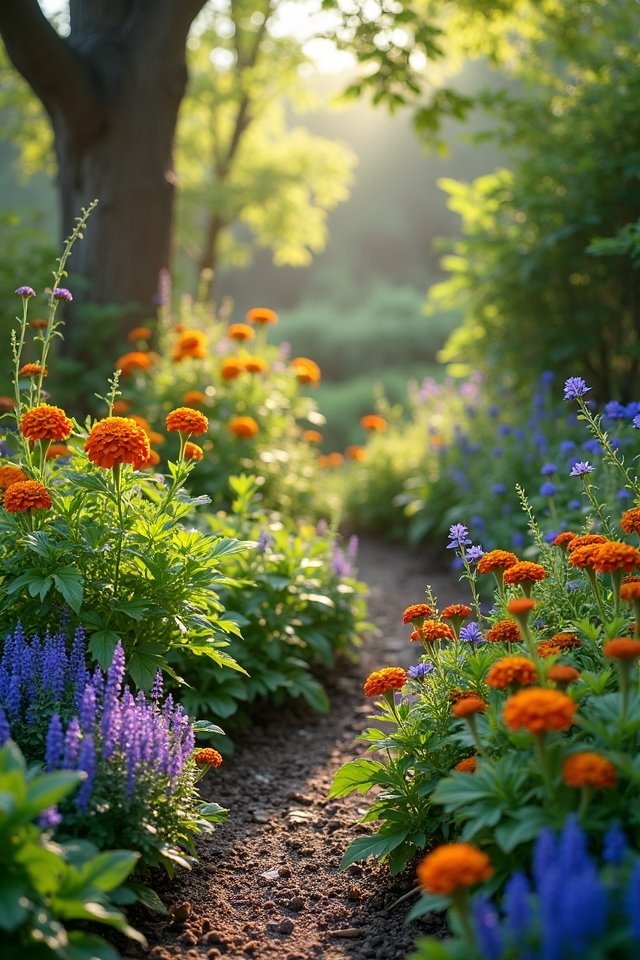
After you’ve arranged your plants by height and spacing, the next delightful step is to think about color! Imagine a vibrant canvas, where you use the color wheel to create a masterpiece with your garden. Mixing contrasting hues makes your greenery pop—think of a bold red geranium beside soft lavender! This lively pairing not only stimulates the eye but also refreshes the spirit. Picture the playful dance of colors as sunrays kiss your blooms. Use colors that are adjacent on the wheel for a harmonious look, or splash in some exhilarating contrasts for more excitement! So, what’s stopping you? Let your garden be a joyful expression of your personality, bursting with hues that inspire and invigorate!
Include Edible Flowers for Dual Purpose
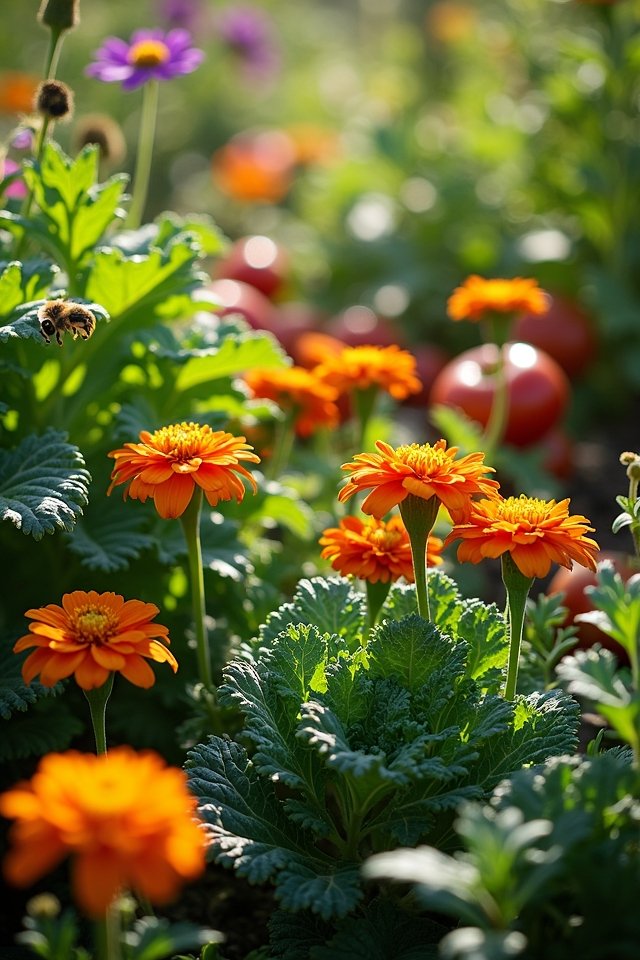
Integrating edible flowers into your garden is like adding a sprinkle of magic to your meals! Imagine your salads bursting with color, thanks to vibrant nasturtiums or delicate pansies. Not only do these lovely blooms look fantastic, but they’re also a feast for your taste buds! Pair them with your favorite culinary herbs like basil and thyme for a truly gourmet experience. You can toss these beauties into dishes, or use them as striking garnishes! Next time you whip up a dish, wouldn’t it be fun to say you grew those stunning flavors yourself? So, get creative! Let your garden bring joy to your plate, and let your meals be the talk of the table! Edible flowers really are culinary stars!
Optimize Light Exposure for All Plants
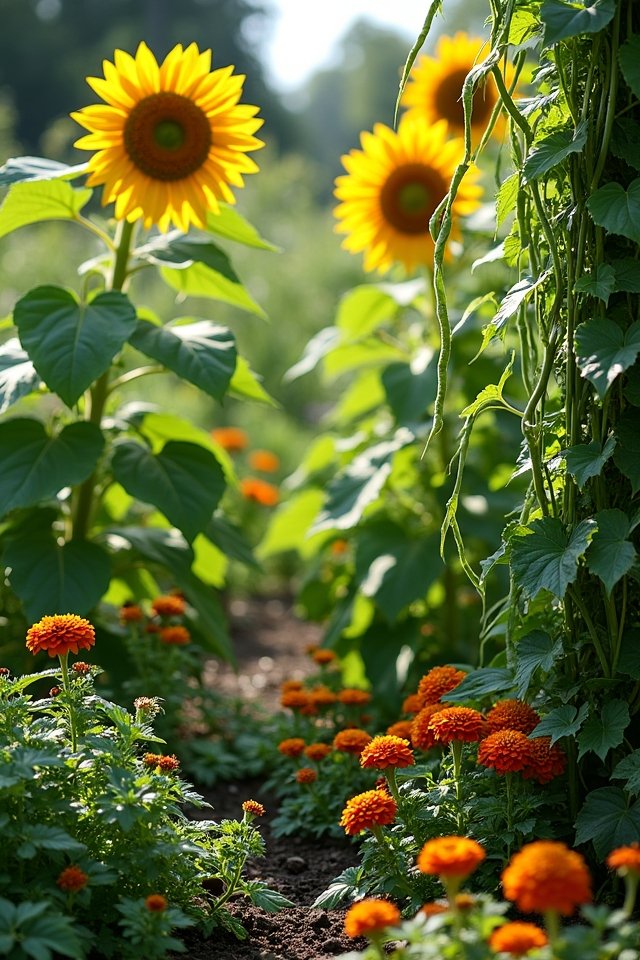
To create a thriving small garden, understanding how to optimize light exposure is essential, especially since your plants are like sun-loving little superheroes! Start by analyzing sunlight angles. If your garden sits in a cozy nook, note how the sun travels across the sky throughout the seasons. Don’t forget to measure light duration—it’s the secret ingredient to plant happiness!
Position taller plants, like sunflowers, to the north, shielding shorter companions, like herbs, to bask in the glorious rays. Keep an eye on those shadows, as they sneak in during the afternoon! Experiment with rotating pots for different light spots. When your plants get the right mix of sunlight, they’ll flourish and reward you with vibrant colors and bountiful harvests that delight!
Incorporate Ground Cover Plants
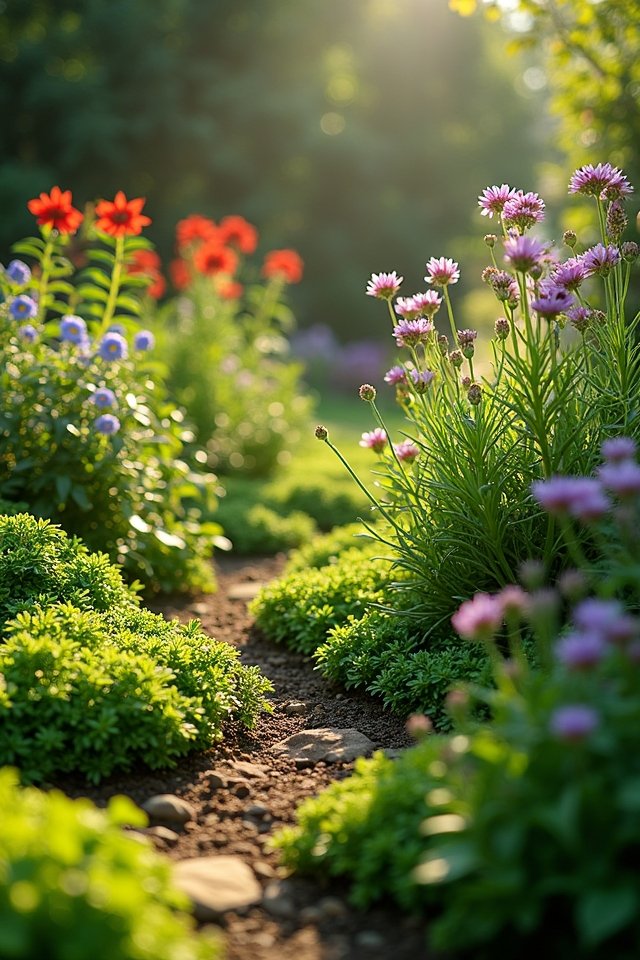
Incorporating ground cover plants into your small garden can transform it from a simple patch of dirt into a vibrant, lush paradise! These beauties can blanket your garden like nature’s quilt, providing amazing ground cover benefits. They suppress weeds, retain moisture, and even prevent erosion—talk about multitasking!
Choose low maintenance options like creeping thyme or sedum, which flourish with minimal fuss. Just imagine walking through your garden, feet cushioned by soft, fragrant foliage. Ground cover plants also attract pollinators, adding delightful buzzing to your serene space. Why settle for boring pathways when you can have a green carpet underfoot? So go ahead, let those ground covers weave their magic and watch your mini-garden flourish!
Utilize Vertical Gardening Techniques
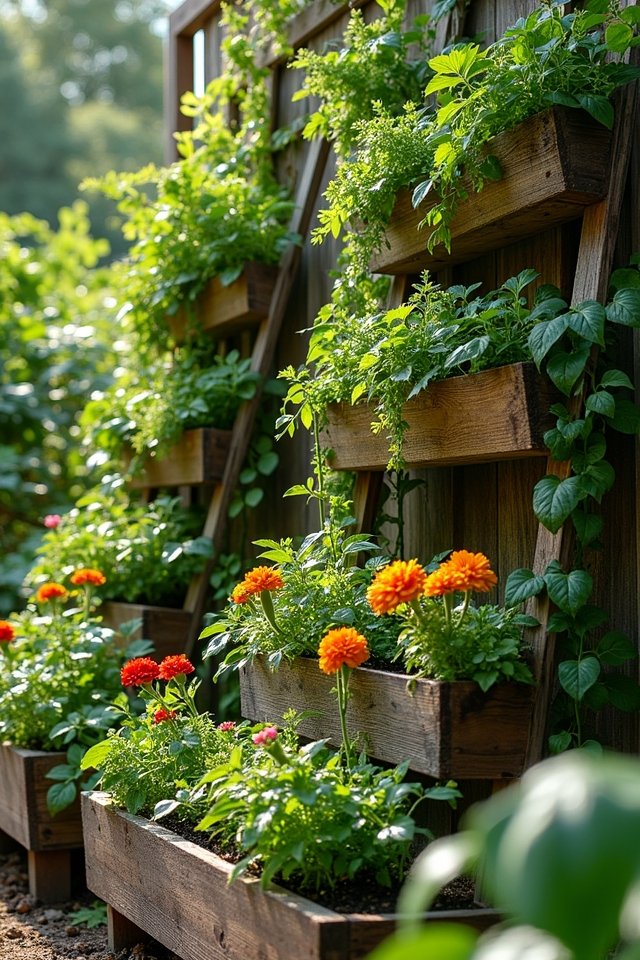
If you’ve ever felt that your small garden lacks space, don’t fret! Vertical gardening techniques are your new best friend. Imagine lush green vines climbing skyward, transforming your garden into a vibrant oasis. Utilizing vertical trellising benefits not only saves ground space but adds a stunning visual element!
Consider growing climbing plant varieties like beans, cucumbers, or even sweet peas. These lively climbers don’t just look great—they also produce delicious veggies! Picture colorful blooms cascading down like nature’s confetti.
Plus, you’ll discover your planting area becomes more organized and accessible. So, why not elevate your garden design and watch it flourish? With just a little innovation, you’ll turn your small space into a thriving vertical paradise!
Plan for Seasonal Blooms
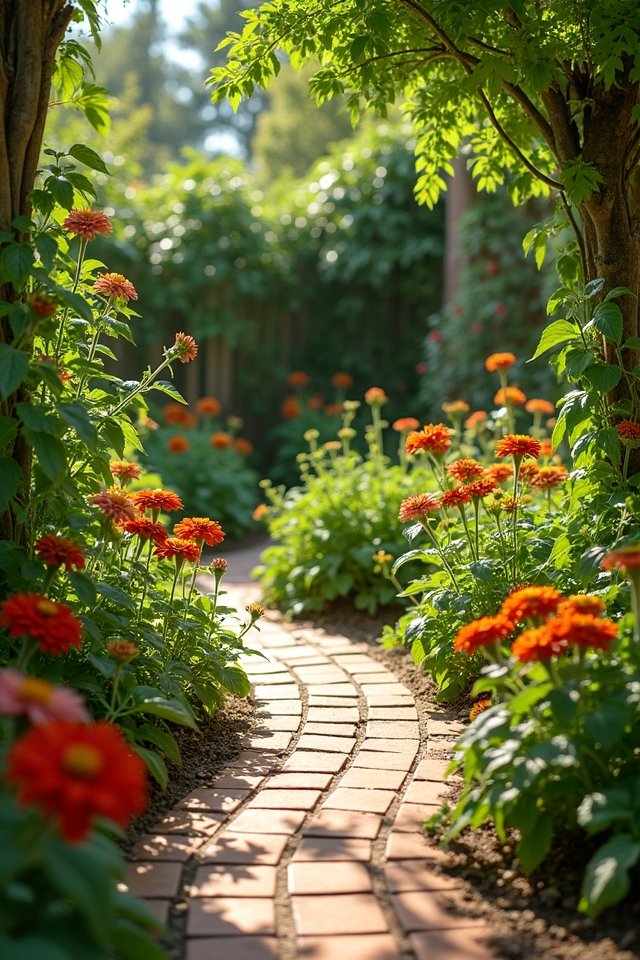
Ready to sprinkle a little extra magic in your garden? Planning for seasonal blooms is a game changer! Imagine a symphony of colors dancing through your yard as different seasonal varieties take center stage. Start with early risers like daffodils, then invite summer joys like zinnias, and wrap it all up with autumn’s golden chrysanthemums. By understanding bloom cycles, you can create a stunning display that keeps your garden lively throughout the year. Mix in some fragrant lavender for a delightful sensory surprise! And don’t forget to pair your blooms wisely; marigolds deter pests while brightening your space. So roll up those sleeves, and let each season inspire a new masterpiece! Ready to make your garden the talk of the neighborhood?
Enhance Soil Health With Nitrogen Fixers
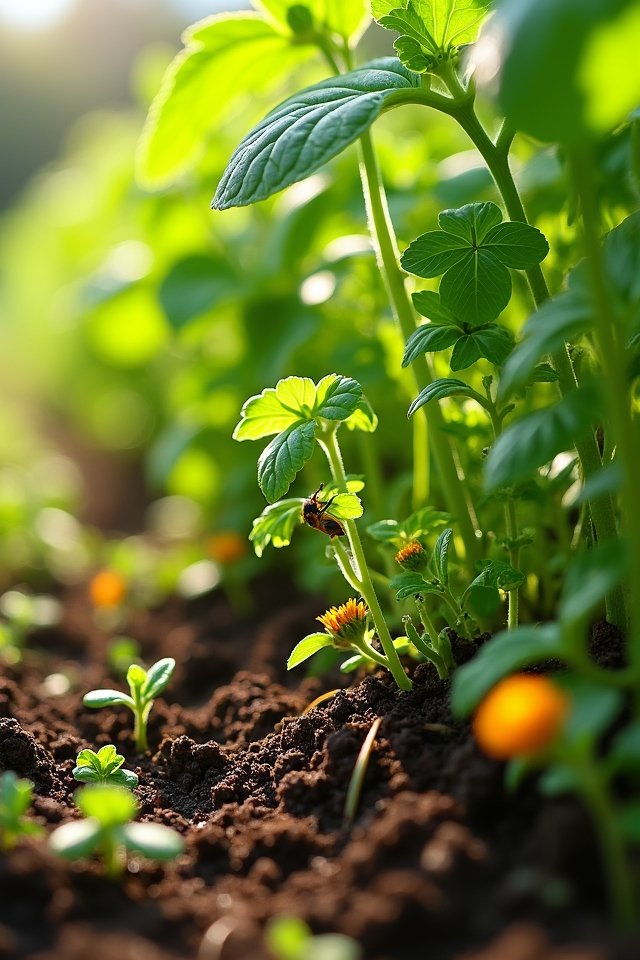
While your garden blooms with vibrant colors, nurturing the soil underneath is equally essential for a flourishing paradise! You can boost soil health and give your plants a happy home by incorporating nitrogen sources, like legumes. Consider planting peas or beans; they work like nature’s superheroes, pulling nitrogen from the air into the soil. It’s like fertilizer, but for free!
Additionally, mix in soil amendments such as clover or alfalfa. These green covers not only enrich your garden bed but also add a delightful fresh aroma. Can you imagine the energy beneath your feet? With these strategies, you’ll cultivate a thriving ecosystem that keeps your plants smiling and growing strong. Time to release the power of nitrogen in your growing space!
Attract Beneficial Insects With Diverse Blooms
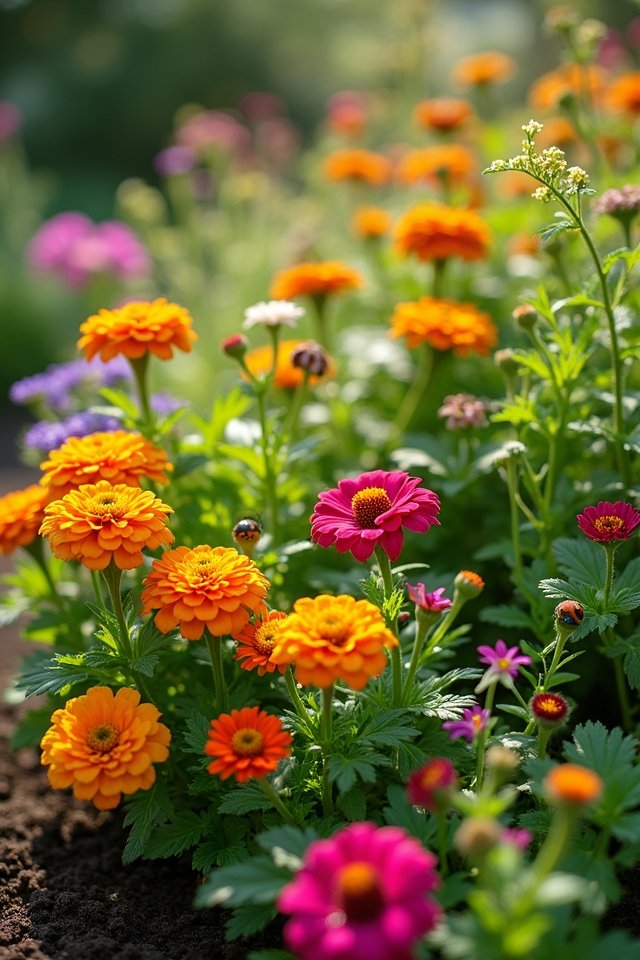
As you immerse yourself in the vibrant world of your garden, introducing a smorgasbord of blooms can turn your small space into an insect haven! Imagine a colorful tapestry where pollinator friendly plants weave together, attracting buzzing bees and fluttering butterflies. With a diverse garden layout, mixing flowers like zinnias, coneflowers, and marigolds, you’ll create a visual feast for the eyes and a buffet for those hungry pollinators! These blooms not only look fabulous, but they also invite beneficial insects to help protect your precious plants. Plus, who wouldn’t love a garden alive with pollinators? Just picture the symphony of colors and sounds! So, don’t hold back—make your garden a thriving paradise of blooms today!
Frequently Asked Questions
How Do I Define Companion Planting for My Small Garden?
Companion planting’s like the ultimate team-up for your plants! You define it by pairing flowers and veggies that help each other thrive, boosting plant benefits and enhancing your garden design. Think of tomatoes snuggling up to basil, which keeps pests at bay. Or marigolds, like little garden guardians, deterring unwanted critters. By mixing and matching thoughtfully, you create a vibrant, harmonious space where every plant plays its part beautifully! Ready to get planting?
Can I Mix Herbs With Vegetables in My Small Garden?
Imagine your garden as a culinary orchestra, where herbs and vegetables dance together in harmony! Yes, you can mix herbs with veggies! Basil loves to encourage tomato growth, while mint keeps pesky pests at bay. Picture vibrant green leaves buzzing with flavor and fragrance—there’s nothing like it! Just remember, don’t overcrowd! With this aromatic duo, your small garden will thrive, making both meals delicious and your gardening experience truly exhilarating!
What Are Some Common Companion Planting Mistakes to Avoid?
When you immerse yourself in companion planting, watch out for common mistakes! First, consider your plant selection—mixing incompatible plants, like strong-smelling herbs and delicate greens, can lead to chaos! Then, don’t underestimate spacing techniques; cramming plants together can suffocate their growth. Imagine flowers vying for sunlight like kids at a candy store! Give each plant room to breathe, and your garden will thrive, bursting with healthy colors and flavors! Happy planting!
How Often Should I Rotate My Plant Pairs?
Think of your garden as a dance floor—your plants waltz with each other! You should rotate your plant pairs every season to keep the rhythm lively and vibrant. This helps avoid nutrient depletion and pest buildup. For example, after spring’s lettuce, toss in some summer squashes. As seasons change, so should your arrangements! So, shake things up and let each plant’s potential shine bright and colorful! Who knew gardening could be such a fun party?
Are There Specific Pests Companion Plants Can Repel Effectively?
Some plant combinations pack a punch in pest management. For instance, marigolds are like nature’s bouncers, effectively repelling aphids and nematodes! Pair them with tomatoes, and you’ve got a vibrant duo that’s tough on unwanted guests. Similarly, basil near your peppers can send pesky whiteflies scampering! It’s almost like your garden’s secret security system! So, why not mix and match these allies for a thriving, pest-free paradise? Who knew plants could be so clever?